
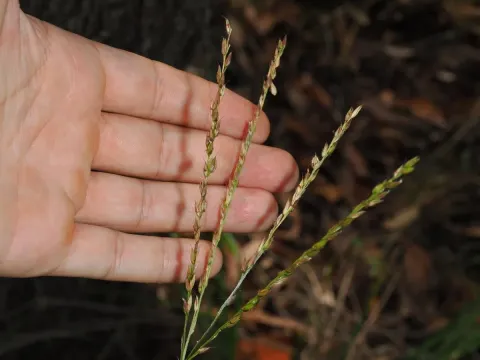
Alloteropsis
Alloteropsis
The sowing of Alloteropsis is strictly dictated by local climate patterns, primarily focusing on the onset of the rainy season to ensure optimal moisture for seed germination. In many tropical regions, this is the most critical factor for establishing a viable stand.
What the section contains


Alloteropsis
Seeds should be planted at a shallow depth, usually not exceeding 1-2 centimeters, due to their small size. Preparing a fine seedbed is essential to ensure good soil contact and higher germination rates across the field.
When seeding into existing pastures, it is recommended to suppress competing vegetation slightly to give the new plants a competitive advantage during the initial growth phase. Timing this with the first rains significantly improves establishment success.
The seeding rate depends on the intended density of the sward and the final usage. High-density sowing is generally preferred for pastures to maximize early ground cover and reduce erosion risks on sloping terrain.
Vegetative propagation via root division is an alternative for smaller plots or areas where rapid establishment is required. This method ensures faster growth but requires higher labor input compared to traditional seed sowing.
Alloteropsis belongs to the Poaceae family and is known for its remarkable ability to thrive in poor, acidic, and rocky soils where other forage crops might struggle. It is highly valued for its role in restoring degraded land.
This grass is a heliophilous species, meaning it requires high levels of solar radiation to maintain peak metabolic activity. Shading from trees or taller weeds can significantly reduce its biomass production and tillering ability.
While Alloteropsis exhibits moderate drought tolerance, adequate rainfall during the growing season is crucial for high yields. It possesses a deep root system that helps it survive short-term water deficits in challenging environments.
Soil management for this crop is relatively simple, as it has low nutrient demands. However, strategic application of small amounts of phosphate fertilizer can dramatically improve both root development and overall forage quality.
Efficient pasture management involves controlling the grazing pressure to prevent the depletion of carbohydrate reserves in the roots, which is vital for the grass to survive the dry season and regrow quickly.
The yield of Alloteropsis is largely influenced by the grazing regime and soil fertility. Under rotational grazing systems, the crop provides a consistent supply of green biomass throughout the active growing period.
Nutritional value peaks during the early vegetative phase. Forage quality begins to decline as the plants reach maturity and lignification of the stems increases, which reduces digestibility for livestock.
Dry matter yields typically range from 3 to 6 tons per hectare, depending on the management intensity and rainfall distribution. Maintaining a balanced height ensures that the sward remains productive without becoming too woody.
Harvesting for hay should be performed when the plants reach the boot stage, prior to full flowering. Proper drying techniques are necessary to preserve the nutrients and ensure high-quality feed for the off-season.
The flexibility of this crop makes it an excellent choice for integrated agricultural systems where sustainability and low-input management are prioritized to achieve consistent, long-term yields.
The primary threats to Alloteropsis include various fungal pathogens, particularly leaf spot diseases that thrive in high humidity and dense stands, leading to decreased photosynthetic capacity.
Insect pests such as grasshoppers and various caterpillar species can cause significant damage to the leaf tissue if not monitored correctly. Integrated pest management strategies should be employed to mitigate these risks.
Invasive weed species pose a major challenge, especially during the establishment year. If weeds are not controlled, they can easily outcompete the young Alloteropsis plants, leading to patchy stands.
Soil compaction resulting from overgrazing is a major concern, as it limits oxygen availability to the roots and impedes water infiltration, ultimately causing a decline in overall crop vigor.
- Fungal leaf spot infections.
- Damage from grasshoppers and larvae.
- Competition from aggressive invasive weeds.
- Soil compaction leading to root degradation.