
Alloteropsis paniculata
Alloteropsis paniculata
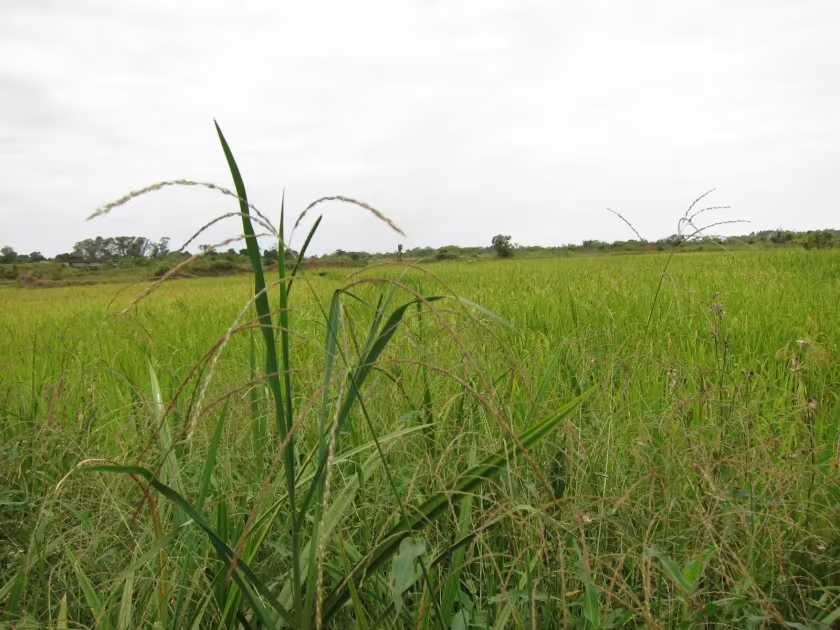
Description
Growing requirements
Alloteropsis paniculata is a perennial grass species belonging to the Poaceae family. Native to tropical and subtropical regions of Africa, this plant has adapted to survive in diverse savanna ecosystems, demonstrating significant resilience to varying environmental conditions.
The crop thrives in well-drained soils, ranging from sandy textures to loamy substrates. It requires adequate sunlight for robust biomass production and prefers regions with moderate to high rainfall patterns. It performs best at temperatures between 20°C and 30°C, maintaining active growth throughout the favorable season.
Botanically, it is characterized by its paniculate inflorescence and deep root architecture, which allows it to tap into subsoil moisture during drier spells. The plant exhibits an efficient photosynthetic pathway typical of tropical grasses, supporting high productivity levels in warm climates.
In agricultural practice, it is widely utilized for grazing, providing high-quality forage for ruminants. Its ability to regenerate quickly after defoliation makes it a preferred species for sustainable pasture management and maintaining livestock feed security.
Implementing effective agricultural techniques, such as rotational grazing, is essential to sustain the health of the stand. When managed correctly, this grass serves as a reliable component of fodder systems in its native distribution areas, ensuring long-term ecological balance.
Main diseases and pests
Common phytosanitary issues include rust diseases and leaf blight, which can compromise the quality of the fodder, particularly in humid, stagnant-air conditions. Vigilant monitoring is required to prevent large-scale infection within dense swards.
Insect pests, including various leaf-eating beetles and stem borers, may occasionally impact plant vigor. Controlling these threats involves maintaining optimal pasture density and applying cultural practices that discourage the proliferation of pest populations.