
Alloteropsis cimicina
Alloteropsis cimicina
Description
Growing requirements
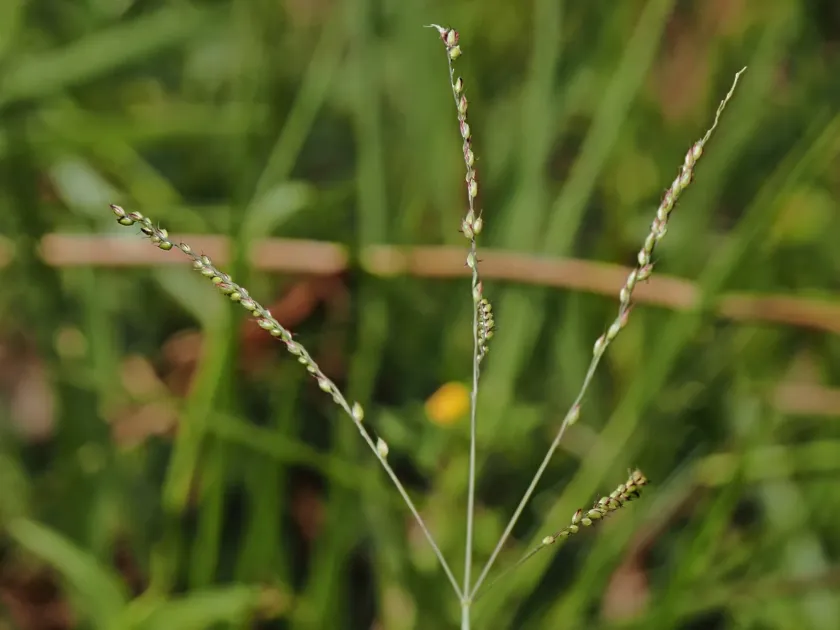
Alloteropsis cimicina is an annual grass species belonging to the Poaceae family. This plant is well-adapted to warm climates, thriving in areas with high solar radiation and extended periods of dry weather.
Originating from the tropical zones of Asia and Africa, the plant has established itself as a resilient species in diverse agricultural ecosystems. It is frequently found in grasslands and areas subjected to regular grazing or intermittent land use.
For successful growth, this grass requires well-drained soil ranging from sandy to loamy textures. It is highly sensitive to waterlogging, necessitating fields with excellent natural drainage to prevent root rot and physiological stress.
The agronomic management involves optimizing soil preparation to encourage deep root development. The species demonstrates remarkable growth rates when soil temperatures are warm, favoring tropical and subtropical planting seasons.
Economically, this species is primarily utilized as livestock forage. Its ability to produce substantial biomass in poor soil conditions makes it a valuable resource for cattle grazing in regions where more sensitive crops struggle to establish.
Main diseases and pests
Common agricultural threats include fungal infections such as rusts, which can reduce the quality of the green biomass. Monitoring and timely management are essential to maintain the nutritional value of the pasture.
Insect pests such as grasshoppers and various species of larvae can cause significant damage to the leaf area. Implementing integrated pest management strategies is crucial to minimize yield losses in intensive grazing settings.
Soil-dwelling pests like wireworms may occasionally target the root system, especially when the crop is sown on land recently converted from native pastures. Pre-sowing soil tillage is recommended.
Excessive humidity can encourage the development of leaf spot diseases, which may spread quickly under poor ventilation. Maintaining correct seeding density is an effective preventative measure.
Overall, maintaining strong plant health through proper nutritional levels and timely field management significantly reduces the impact of biological threats on the crop's production cycles.