
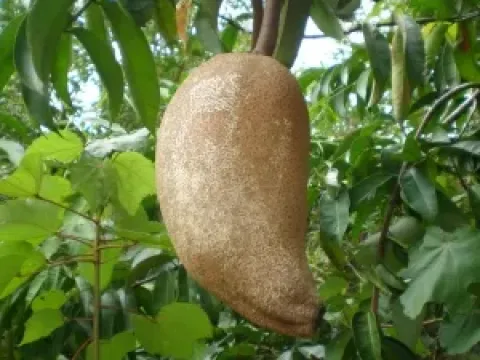
Allanblackia
Allanblackia
Propagation of Allanblackia in commercial settings is primarily achieved through seeds or vegetative methods such as cuttings. The seeds possess a prolonged dormancy period, necessitating pre-treatment like scarification or soaking to improve germination rates.
What the section contains

Allanblackia
Sowing in nurseries is conducted in a moist medium at a constant temperature of 25–30 degrees Celsius. Maintaining high air humidity is critical, as young seedlings are extremely sensitive to soil desiccation and direct sunlight exposure.
Transplanting seedlings to their permanent location is typically done when they reach a height of 40–60 cm. The optimal time for planting is the onset of the rainy season, allowing the plant to acclimate and develop a robust root system before the dry period begins.
Planting density in commercial orchards varies based on canopy management systems. A spacing pattern ranging from 8x8 to 10x10 meters is usually practiced to provide trees with enough room for extensive crown development and efficient pollination.
Selective breeding programs focus on identifying clones with early-bearing traits, as wild varieties may take 10–15 years to produce their first significant crop after planting.
Allanblackia is a tropical tree belonging to the Clusiaceae family. It thrives in humid tropical rainforest environments with an annual rainfall between 1500 and 3000 mm.
The crop has specific soil requirements; it needs deep, fertile, and well-drained soils. The plant does not tolerate waterlogging but requires consistent moisture in the root zone for optimal physiological performance.
Ideal temperatures for growth remain between 22 and 32 degrees Celsius throughout the year. The species is highly intolerant of frost and sensitive to desiccating winds that can severely damage foliage.
Within agroecosystems, Allanblackia is often cultivated as part of agroforestry projects. It thrives under the canopy of larger trees or as a component of mixed plantations, which helps create a stable microclimate.
Regular application of organic fertilizer is a critical factor for young plantations, ensuring the supply of essential macro- and micronutrients for vigorous growth during the initial establishment phase.
The economic value of Allanblackia lies in its seeds, which are processed into a solid vegetable fat. Allanblackia oil features unique physicochemical properties, making it highly sought after in the confectionery industry as a cocoa butter substitute.
The yield of a single mature tree can range from 10 to 50 kilograms of dried seeds per year, depending on the age, agricultural management practices, and the genetic background of the specific tree.
Fruit maturation is a long and staggered process. The fruits are large berries containing numerous seeds embedded in a sticky pulp, which provides natural protection for the inner oil-rich kernels.
Extracting seeds from the pulp is labor-intensive. After extraction, the seeds must be thoroughly dried in the sun to reach a moisture content level suitable for long-term storage without compromising the quality of the fat.
Global demand for sustainably sourced Allanblackia fat is increasing, driving the shift from wild harvesting to organized plantation farming in West and Central African countries.
Primary pests include various insect species that target the developing fruit. Among these, fruit flies are the most significant, as they damage the pulp and indirectly reduce the quality of the harvested seeds.
Fungal diseases, exacerbated by excessive humidity and poor canopy ventilation, can lead to stem damage and root rot. Preventive measures include regular sanitary pruning and maintaining proper tree spacing.
Wildlife, such as rodents and primates, often cause mechanical damage to young trees by chewing on bark and shoots. In commercial orchards, the use of protective netting or enclosures for young seedlings is common practice.
Weed competition is a significant threat during the early stages of development. Regular manual weeding in the root zone is necessary to minimize competition for nutrients and water.
The lack of standardized agrochemical protocols necessitates a holistic approach, combining biological pest control and the creation of resilient ecosystems within the plantation to maintain crop health.
Harvesting Allanblackia is performed manually due to the uneven maturation of the fruits. Harvesters collect the fruits that have fallen to the ground, as these are typically the most mature and suitable for processing.
Efficient logistics after harvesting is paramount. The fruit pulp is prone to rapid fermentation, which can affect seed quality; therefore, seed extraction should be performed within 48 hours of collection.
Transporting fruits to primary processing centers must be done in well-ventilated containers to prevent overheating and mold growth, which can degrade the fatty acid profile of the future oil.
Visual assessment of fruit color and density changes is used to determine readiness for harvest. Harvesting immature fruits is discouraged, as they contain significantly lower oil content, making them economically inefficient to process.
Mechanization of the harvest process remains limited, ensuring that hand-harvesting continues to be the primary method for gathering this valuable tropical raw material.