
Allanblackia floribunda
Allanblackia floribunda
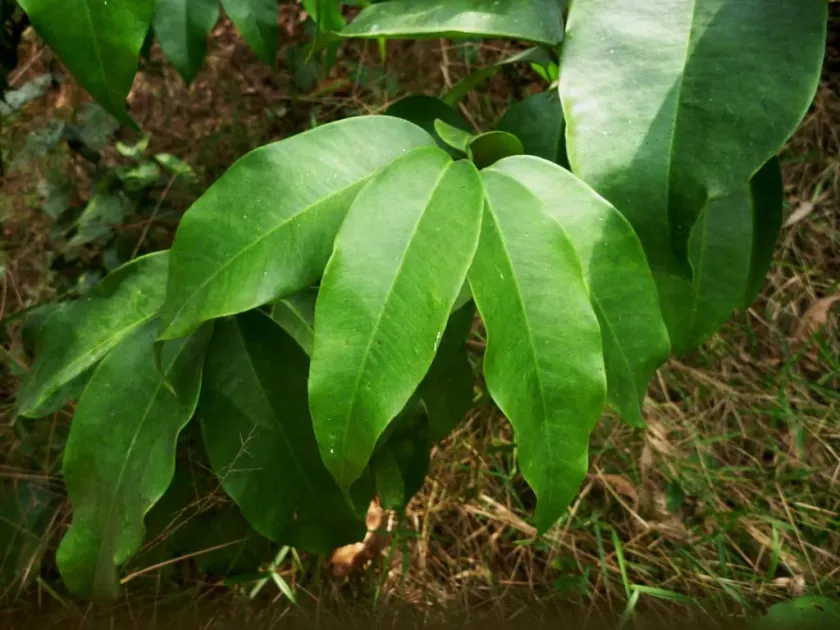
Description
Sowing dates
Propagation of Allanblackia floribunda is a challenging process due to the exceptionally long germination period of its seeds, which can take up to six months or more. In natural habitats, dispersal is facilitated by animals, thus for industrial cultivation, pre-treatment such as scarification or soaking in warm water is required to improve uniformity.
It is recommended to sow seeds in well-drained nursery beds using a high-quality substrate rich in organic matter. Maintaining consistent soil moisture during the germination phase is critical, while avoiding waterlogging, which can easily lead to seed rot and failure of the embryo.
Seedlings should be transplanted to their permanent locations within agroforestry systems at the onset of the rainy season. This ensures that the root system becomes established before the onset of any potential dry period, significantly increasing the survival rate of young plants.
Planting requires significant spacing because Allanblackia is a large, spreading tree with a dense canopy. A recommended planting distance is at least 10 by 10 meters to ensure each tree has access to sufficient sunlight and to prevent competition for soil nutrients and water.
Young trees require regular monitoring and shading during their first few years to prevent heat stress and leaf scorch. The use of intercropping with smaller food crops can help create a protective microclimate, fostering better growth and development of the young Allanblackia specimens.
Growing requirements
Allanblackia floribunda, a member of the Clusiaceae family, is native to the tropical rainforests of Central and Western Africa. The species has strict climatic requirements, thriving in zones characterized by consistently high annual temperatures and a well-distributed rainfall pattern throughout the year.
The crop requires fertile, deep, and well-drained soils to succeed. The species is highly sensitive to waterlogged conditions and cannot tolerate prolonged drought periods, meaning that sites with high water tables or poor drainage are fundamentally unsuitable for establishing large-scale plantations.
The optimal soil pH range for this crop is slightly acidic to neutral. Incorporating organic compost in the root zone significantly accelerates the growth rates of young trees and improves overall plant health during the critical establishment phase.
While the species is shade-tolerant during its juvenile stage, mature trees require significant exposure to direct sunlight in the upper forest canopy to trigger heavy flowering and maximize the yield of fat-rich seeds. Proper canopy management is essential for long-term productivity.
Maintaining high atmospheric humidity is crucial for the overall health of the species. In artificial plantation settings, irrigation systems or the use of established forest windbreaks are often employed to reduce transpiration rates and create an optimal growing environment.
Yield
The yield of Allanblackia floribunda depends heavily on tree age and environmental conditions. Significant fruit production typically begins when the trees are between 10 and 15 years old, positioning this crop as a long-term investment for tropical agricultural systems.
The fruits are large, heavy berries containing numerous seeds that are highly prized for their fat content. This oil is structurally similar to cocoa butter and is highly sought after by the cosmetics and food industries for its unique physical properties and stability.
The average weight of an individual fruit can vary significantly, and each fruit contains several dozen seeds. Harvesting is primarily performed manually, which is necessitated by the height of the trees and the sporadic nature of fruit maturation throughout the canopy.
Ongoing agricultural research focuses on selecting high-yielding genotypes capable of delivering consistent harvests in plantation settings. This genetic selection is vital for improving the economic feasibility of the crop compared to relying solely on wild-harvested populations.
Harvesting efficiency is deeply tied to logistics. Since the fruits are highly perishable, they must be processed shortly after collection to extract the seeds. Proper post-harvest handling, including cleaning and drying, is essential to prevent degradation and ensure high oil quality.
Main diseases and pests
Common threats to Allanblackia in cultivation include various fungal root diseases that arise when soil moisture management is poor. These infections weaken the tree's immune system and often lead to fruit drop and reduced longevity of the plantation.
Insect pests that target tender shoots and leaves can cause significant damage to nursery-grown seedlings. Regular scouting and the integration of biological control methods are essential strategies for maintaining pest populations below economic injury levels.
Weed competition poses a severe threat during the first few years of tree growth. Regular manual weeding and the application of organic mulch around the base of the trees are necessary to prevent aggressive weed species from stunting the growth of the Allanblackia specimens.
Anthropogenic pressure, including the unsustainable clearing of natural habitats, acts as an indirect threat by reducing the genetic diversity available for breeding programs. Promoting cultivation as part of agroforestry is a strategic approach to biodiversity conservation.
Damage to fruits by rodents and monkeys can lead to substantial harvest losses before the farmers can reach them. Installing protective netting or using physical barriers around plantations is a common preventive measure in areas with high wildlife density.
Harvesting
Harvesting Allanblackia is a labor-intensive process that requires close attention to fruit maturity. The harvest is conducted during the biological maturity stage, when the fruits change color and naturally begin to detach from the branches or are easily harvested by hand.
Once collected, the fruits must be opened immediately to extract the seeds, which are subsequently washed to remove the pulp. The fruit residue can be recycled as organic compost, returning valuable nutrients back into the soil system of the plantation.
The seed drying process should take place in well-ventilated areas or specialized drying facilities under controlled temperature conditions. This prevents mold growth and chemical degradation of the valuable oil content stored within the seeds.
After drying, the seeds are sorted by size and quality before being processed for oil extraction. Given the high concentration of fatty acids, careful transport and storage conditions must be maintained to preserve the commercial quality of the raw material.
Proper organization of the harvest and post-harvest stages is key to minimizing raw material loss. Optimizing these processes is essential for achieving long-term profitability in the industrial-scale cultivation of Allanblackia floribunda.