
Aglaonema simplex brevispathum
Aglaonema simplex (Blume) Blume x Aglaonema brevispathum (Engl.) Engl.
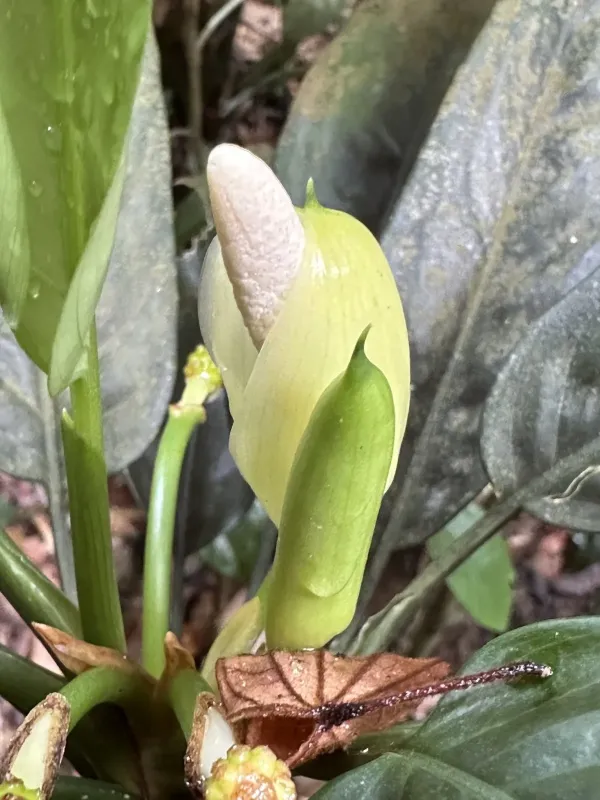
Description
Growing requirements
Aglaonema simplex brevispathum is a unique hybrid cultivar belonging to the Araceae family. Originating from tropical forest understories in Southeast Asia, this plant requires specific environmental conditions to maintain its ornamental qualities and growth vigor.
The ideal temperature for this crop ranges between 20°C and 25°C. Exposure to temperatures below 16°C can trigger physiological stress, leading to stunted growth or leaf necrosis. Maintaining high relative humidity is equally critical for successful cultivation.
For optimal root development, the potting medium must provide excellent drainage and aeration. A substrate mix containing peat, pine bark, and perlite with a slightly acidic pH (5.5–6.5) is generally recommended for commercial production.
Lighting requirements for this species are relatively low compared to other tropical foliage plants. It thrives in filtered or indirect light, which prevents leaf scorching while supporting the development of its characteristic variegation patterns.
Irrigation practices should be focused on maintaining consistent soil moisture without waterlogging. Over-watering is the most common mistake, often resulting in root system failure due to hypoxia in the root zone.
Main diseases and pests
Spider mites are the most persistent pest for this species, especially in environments with low ambient humidity. These pests feed on the underside of leaves, causing chlorotic spots and eventual leaf drop if left untreated.
Mealybugs are another common challenge, congregating in the axils of the leaves. Manual removal or application of systemic insecticides is necessary to manage outbreaks and prevent plant decline.
Root rot pathogens, such as Pythium and Phytophthora, are significant threats to Aglaonema. These fungi thrive in cool, overly saturated soil and can destroy the root system rapidly if conditions are not corrected.
Bacterial leaf spot is often observed when plants are kept in highly humid, poorly ventilated areas. This disease manifests as water-soaked lesions that spread quickly across the leaf surface.
Effective pest and disease management depends on a combination of cultural practices, such as proper spacing for air circulation, and the judicious use of pesticides when scouting indicates an infestation threshold has been reached.