
Round-leaf Aglaonema
Aglaonema rotundum N.E.Br.
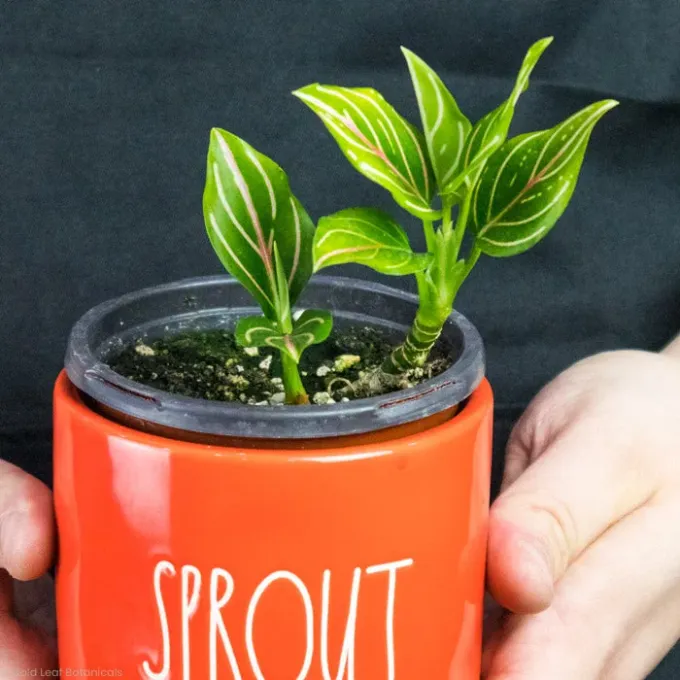
Description
Growing requirements
Aglaonema rotundum is a unique botanical species belonging to the Araceae family. Originating from the dense tropical rainforests of Sumatra, this plant is highly prized for its distinctively rounded leaves and striking pink venation patterns.
To cultivate this species effectively, one must replicate its natural humid environment. It thrives in temperatures ranging from +22°C to +26°C and requires a relative humidity level of at least 60% to maintain leaf health and prevent tissue dehydration.
The substrate must be highly porous and slightly acidic to allow for adequate oxygen circulation to the root zone. A mixture of peat, perlite, and pine bark is recommended to ensure that moisture is retained without causing root asphyxiation.
Light requirements are specific: the plant demands bright but filtered indirect light. Direct exposure to the sun will cause scorching, while low-light conditions will lead to the loss of its signature colorful leaf patterns, reverting the plant to a dull green state.
Commercially, this plant is utilized in high-end interior landscaping and botanical collections. Because of its rarity and slow growth rate, it is often treated as a premium specimen for terrariums and climate-controlled display cases.
Main diseases and pests
The primary threats to the cultivation of Aglaonema rotundum include spider mites, which can cause significant damage to the leaf structure. Proactive measures include frequent misting and maintaining a stable, humid microclimate around the foliage.
Fungal pathogens represent a major risk, particularly in cases of overwatering or poor drainage. Root and stem rot can spread rapidly in cool, wet soil, making precise irrigation management essential for the long-term survival of the crop.