
Aerides odorata
Aerides odorata
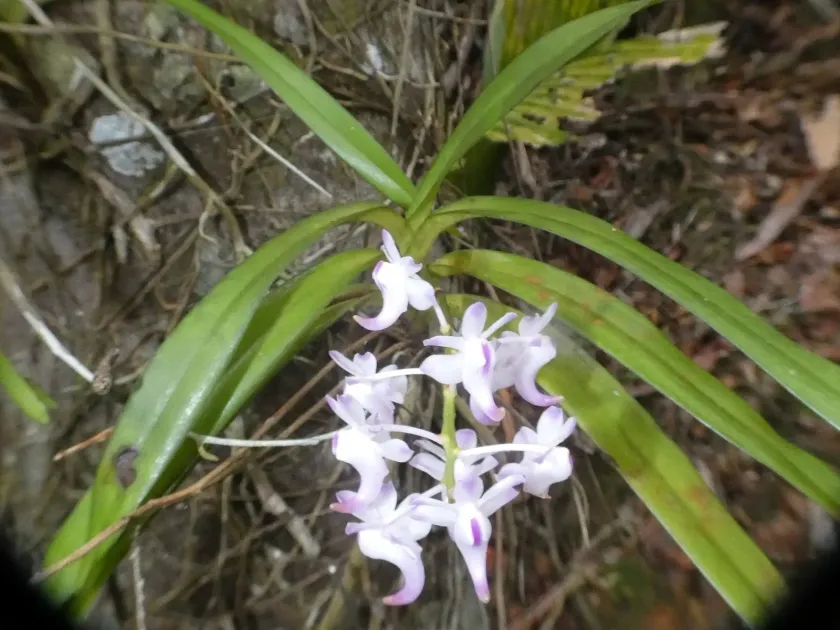
Description
Growing requirements
Aerides odorata is a distinguished member of the Orchidaceae family, characterized by its epiphytic nature. It naturally occurs in the tropical rainforests of Southeast Asia, ranging from India and Indochina to the Philippines, where the environment provides consistent high humidity and warm temperatures throughout the year.
Successful cultivation of this species requires mimicking its native tropical habitat. Optimal growth temperatures range between 22 and 28 degrees Celsius during the day, with a mandatory nighttime drop of 5-7 degrees to stimulate healthy metabolic activity and encourage flowering.
Humidity levels are critical for plant health and should ideally be maintained between 70% and 80%. When ambient humidity falls below 50%, the leathery leaves may lose turgor and root tips can become brittle, which significantly hampers the overall growth rate of the orchid.
The plant thrives best when grown in wooden baskets or on mounts made of pine bark or coconut husk, as the root system requires excellent airflow. Watering should be done by immersion or thorough spraying of the substrate once it has nearly dried out, ensuring water does not pool in leaf axils.
Aerides odorata prefers bright, diffused light rather than direct sunlight, which can scorch its thick foliage. To ensure proper blooming, the plant requires a photoperiod of 12-14 hours daily, necessitating the use of specialized grow lights during shorter winter days in non-tropical climates.
Main diseases and pests
The primary pests affecting this crop include spider mites and scale insects, which proliferate quickly in environments with stagnant air and low humidity. Regular inspection of the underside of leaves and the stem base is essential for early detection and mitigation of these infestations.
Fungal diseases, particularly rot, pose a significant risk, usually resulting from improper watering practices or lack of sufficient ventilation. Persistent wetness in the substrate can lead to Fusarium wilt or root rot, which are extremely difficult to treat once the vascular system is compromised.
Preventative care involving the use of systemic fungicides during seasonal transitions is highly recommended for professional orchid collections. Implementing strict quarantine measures for new plants is vital to protect the existing crop from potential viral or bacterial pathogens.
Bacterial infections often manifest as soft, dark, water-soaked spots that spread rapidly across the leaves. Upon detection of such symptoms, affected tissues must be removed immediately using sterilized cutting tools, followed by the application of appropriate antiseptics to the wound sites.
Balanced, low-salt mineral fertilizers are recommended to bolster the plant's natural immune system. Routine flushing of the substrate with clean, deionized water helps prevent the accumulation of harmful salts and toxic metabolic byproducts, thereby reducing the risk of root-related complications.