
Aerides multiflorum
Aerides multiflorum
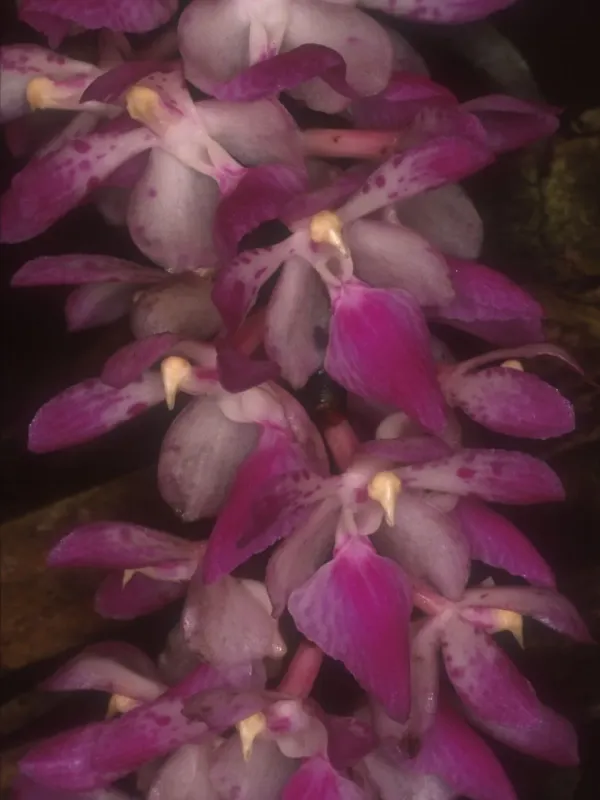
Description
Growing requirements
Aerides multiflorum is a stunning epiphytic orchid species belonging to the Orchidaceae family. Native to the tropical regions of Southeast Asia, including India and the Himalayas, this plant naturally thrives in humid environments, typically attached to tree branches.
Successful cultivation requires a climate that mimics its natural habitat, emphasizing high humidity levels and consistent warm temperatures. Ideally, the plant should be kept in temperatures ranging from 20°C to 28°C, avoiding significant drops that could stress the metabolism.
Light requirements are strict: the plant needs bright, indirect light to maintain healthy chlorophyll levels and promote blooming. Exposure to harsh, direct sunlight will quickly cause epidermal damage and leaf scorching, necessitating the use of shade cloth in bright greenhouse settings.
The substrate must be highly breathable, as the root system of Aerides multiflorum is adapted to absorb nutrients and moisture from the air. A mix of coarse fir bark, charcoal, and sphagnum moss is commonly used to ensure optimal aeration and drainage.
Watering frequency depends on the evaporation rate within the growing environment. It is crucial to allow the root system to dry out slightly between waterings to prevent the onset of anaerobic conditions, which often lead to root degradation.
Main diseases and pests
The primary threats to Aerides multiflorum include various fungal pathogens such as Pythium and Phytophthora, often triggered by excessive humidity or poor ventilation around the root zone. Ensuring good air circulation is the best preventative strategy.
Common pests include scale insects and spider mites, which exploit dry air conditions to colonize the undersides of the leaves. Systematic monitoring and the use of targeted horticultural oils or insecticides are required to manage these infestations effectively.