
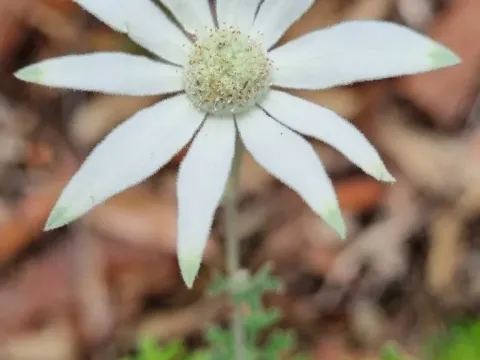
Actinotus
Actinotus
Actinotus, commonly known as the flannel flower, requires careful timing when sowing due to its specific heat and light requirements. In temperate regions, seeds should be started indoors in late winter to ensure they are well-established before the outdoor growing season begins.
What the section contains

Actinotus
The germination process demands a stable temperature between 18 and 22 degrees Celsius. Seeds are light-dependent, so they should be sown on the surface of a well-draining, sterile potting mix and covered with only a fine dusting of vermiculite to keep them anchored.
Consistency is key for success; the growing medium must remain lightly moist but never waterlogged during the germination period. Using bottom heating mats can significantly improve germination rates by providing the warmth necessary for seed activation.
Seedlings are typically ready for transplanting once they develop two sets of true leaves. At this stage, they are highly sensitive to root disturbance, so careful handling and the use of peat or biodegradable pots that can be planted directly into the ground are highly recommended.
Outdoors, planting should only occur once the risk of frost has passed and the soil has warmed up. Providing a sheltered position with full sun exposure is critical to mimic the natural Australian conditions where these plants thrive.
As a member of the Apiaceae family, Actinotus demands a very specific soil environment. It performs best in sandy, low-nutrient, and highly aerated soils that allow for rapid drainage, as the plant is notoriously intolerant of "wet feet" and root rot.
Sunlight is the most significant requirement for this species. To achieve the iconic, velvet-like bracts that make the flower so decorative, the plants must receive maximum sun exposure throughout the day. Partial shade will lead to leggy growth and significantly reduced blooming.
Watering management is a delicate balance. It is better to underwater than to overwater. During the heat of the summer, allow the top layer of the soil to dry out completely before administering the next irrigation session, ensuring no water stands around the base of the plant.
Regarding nutrition, the flannel flower prefers a low-fertility soil. Standard nitrogen-rich fertilizers will encourage excessive leaf development at the expense of flower production. If fertilization is necessary, use a phosphorus-balanced, low-nitrogen blend specifically designed for native flora.
In cooler climates, Actinotus must be grown as an annual or treated as a container plant that is overwintered indoors. The indoor environment should be bright and airy, with temperatures kept moderately cool to allow the plant to remain in a semi-dormant state.
Fungal pathogens represent the most significant threat to Actinotus cultivation, particularly under conditions of poor ventilation or high soil moisture. Root rot is a common issue that often results in sudden wilting, making preventative drainage management the top priority.
Spider mites are the most troublesome pests, especially in greenhouse or indoor environments where the air is dry and warm. Regular inspection of the foliage is essential, as these pests can quickly colonize a plant if left unchecked.
Aphids can also cause damage by targeting the tender buds and young stems, leading to stunted growth and deformed flowers. A gentle blast of water or the application of insecticidal soap is usually sufficient to manage minor infestations without harming the plant.
Powdery mildew may occur if there are extreme fluctuations in humidity or temperature. Promoting healthy air circulation by maintaining proper spacing between plants is the most effective way to prevent the development of this unsightly fungal growth.
Slugs and snails can be highly destructive to young seedlings in the garden. Utilizing copper tape barriers or eco-friendly deterrents around the planting area helps protect the soft tissue of the young flannel flower from nocturnal grazing.
Harvesting Actinotus for cut flowers is best performed in the cool hours of the early morning when the cells are turgid. This practice ensures that the flowers retain their structural integrity and freshness for the longest duration possible in a vase.
The ideal stage for harvest is when the bracts have fully expanded but are still soft to the touch. Sharp, sanitized shears should be used to make clean cuts, reducing the risk of introducing pathogens into the plant’s vascular system.
Upon harvesting, all leaves that would sit below the water line in the vase must be removed, as these will decay rapidly and compromise water quality. Using a preservative or a touch of bleach in the vase water helps maintain clarity and inhibits bacterial growth.
Actinotus is also an excellent candidate for air-drying. To preserve the flowers, stems should be hung upside down in a dark, dry, and well-ventilated space, allowing them to lose moisture gradually while maintaining their characteristic shape and texture.
Dried flannel flower stems are highly sought after by floral designers for their unique, rustic aesthetic. When dried properly, they can last for many months as part of indoor floral arrangements, requiring only occasional dusting to keep them looking pristine.