
Actinotus helianthi
Actinotus helianthi Labill.
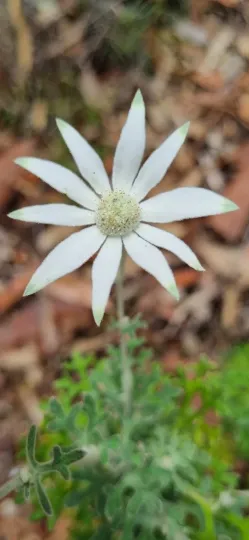
Description
Sowing dates
Sowing Actinotus helianthi requires precise temperature control, ideally targeting a consistent range of 18°C to 22°C to facilitate successful germination.
The seeds should be sown in a well-draining, sterile potting mix; avoid using heavy garden soils that may lead to waterlogging and seed decay.
Since the seeds are light-sensitive, they must be surface-sown or covered with a very thin layer of fine vermiculite to ensure adequate exposure to light.
Consistent moisture levels are critical during the germination phase; however, the surface should not be kept excessively soggy to prevent damping-off.
Once seedlings have developed two sets of true leaves, they should be hardened off before being transplanted to their final growing position.
Growing requirements
As a member of the Apiaceae family, native to the sandy coastal regions of Australia, this crop demands full sunlight to thrive and produce high-quality blooms.
Soil structure is the most important factor: it must be sandy, gritty, or rocky with excellent drainage to prevent root diseases common to the species.
The plant is highly adapted to low-nutrient environments and does not require heavy fertilization; in fact, excessive phosphorus can cause leaf burn.
Water management is crucial; the crop is drought-tolerant once established, so allow the soil to dry out significantly between watering intervals.
Protection from strong, cold winds is recommended in early growth stages, while consistent airflow is necessary throughout the season to prevent fungal issues.
Main diseases and pests
Root rot caused by Phytophthora or Pythium species is the most significant threat to Actinotus cultivation, usually triggered by poor drainage or overwatering.
Pests such as aphids and thrips can cause significant damage to young flower buds, reducing the marketability of the cut stems.
Botrytis (grey mould) can develop on flower heads if humidity levels remain too high, particularly during periods of low light and poor ventilation.
Integrated pest management (IPM) strategies, including regular scouting and biological controls, are preferred over broad-spectrum chemical applications.
Good hygiene practices in the greenhouse, such as removing plant debris and cleaning tools, are essential to preventing disease outbreaks.
Harvesting
Harvesting the flannel flower is best performed when the bracts are fully expanded and the central cluster of florets is firm to the touch.
Cut stems early in the morning when the plant tissue is fully hydrated to ensure the longest possible vase life for the decorative stems.
Immediately place cut stems into clean, cool water; the addition of a specialized flower preservative can further improve longevity.
Sorting and grading should be done based on stem length and the condition of the bracts, ensuring only the highest quality stems reach the market.
The crop can also be dried successfully if harvested at a slightly later stage, providing a secondary value-added product for the floral industry.