
Acis
Acis Salisb.
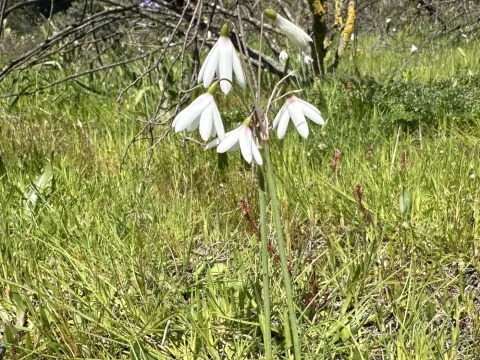
The Acis genus, belonging to the Amaryllidaceae family, consists of perennial bulbous plants that were historically classified within the Leucojum genus. They are distinguished by their elegant, bell-shaped white flowers and the absence of green markings on the tepals.
What the section contains

Acis
Native to the Mediterranean region, these plants are naturally adapted to rocky terrains and stony slopes. They thrive in environments where the soil is porous and allows for rapid drainage, which is crucial for the health of their bulbs during the dormant season.
Cultivation of Acis requires full sunlight or partial shade depending on the specific species and the regional climate. In cooler climates, they are often planted in sheltered positions to protect them from excessive moisture and freezing temperatures during winter.
Soil quality is a critical factor for success; the ideal medium is a gritty, sandy loam with a neutral to slightly alkaline pH. High organic matter content should be balanced with sufficient inorganic material to prevent the soil from becoming compacted or waterlogged.
In gardening, Acis is primarily used for ornamental purposes in rock gardens, gravel beds, or raised containers. Their early or late season flowering habit makes them valuable for extending the visual interest of a landscape throughout the year.
The primary threat to the vitality of Acis plants is fungal decay caused by waterlogged soil. Fusarium wilt and various forms of basal rot are common, particularly when drainage is insufficient or when spring temperatures remain cool and wet.
Pests such as the bulb mite and onion fly pose a significant risk to the underground parts of the plant. These pests feed on the bulb tissue, weakening the plant and allowing for the entry of harmful bacteria and fungi, often leading to rapid decline.
Foliar diseases, including powdery mildew and rust, can occur under conditions of poor air circulation and high humidity. These diseases weaken the plant's ability to store energy for the following season, affecting the overall bloom quality.
Integrated pest management, including proper crop rotation and the selection of disease-free bulbs, is essential for maintaining a healthy planting. Ensuring that the bulbs are spaced correctly prevents the spread of pathogens through direct contact.
If an infestation is identified, the use of targeted fungicides or systemic insecticides may be necessary. However, cultural practices such as avoiding overhead watering and maintaining optimal drainage remain the best preventative measures against most threats.