
Autumn snowflake
Acis autumnalis (L.) Herb.
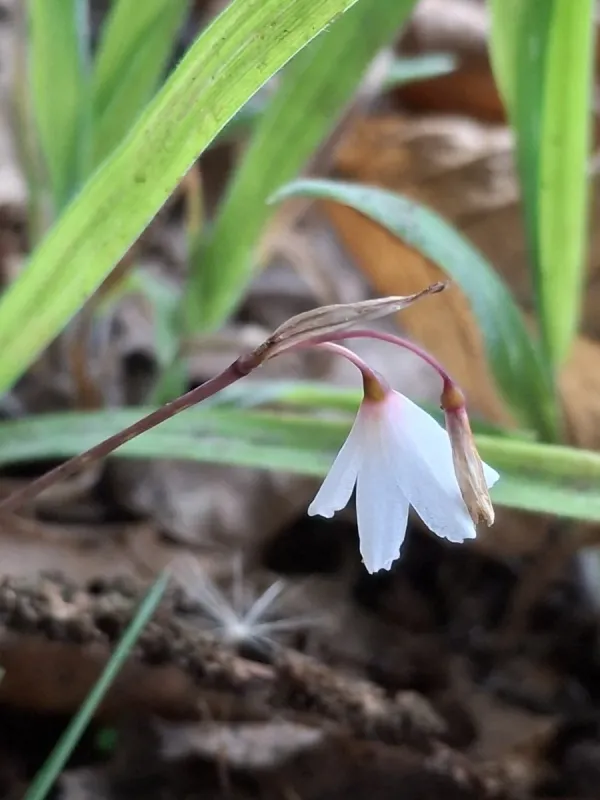
Description
Sowing dates
The autumn snowflake (Acis autumnalis) is typically planted in late summer, just as the dormant bulbs prepare for their autumn growth cycle. Early autumn planting ensures the roots establish before the onset of winter temperatures.
Bulbs should be planted at a depth of 5–8 cm in well-draining soil. Providing adequate spacing, typically around 10 cm apart, prevents overcrowding and allows for the natural formation of clumps over several years.
For propagation, the division of offset bulbs is the most efficient and common method. This should be performed during the dormancy period when the plant is not actively pushing up foliage or flower stalks.
Seed propagation is possible, though it is a long-term endeavor. Seeds should be sown in a sandy, gritty mix and kept in a cool, bright location until they reach sufficient size for transplanting.
When selecting a site, ensure it is in a location where the soil does not freeze solid. In containers, proper spacing is essential to maintain airflow and prevent moisture accumulation around the bulb neck.
Growing requirements
Acis autumnalis belongs to the Amaryllidaceae family and is native to Mediterranean habitats. Consequently, it thrives in environments characterized by mild, wet winters and dry summers.
The soil must be light, gritty, and exceptionally well-draining. Incorporating pumice or coarse horticultural sand into the planting site will help mimic the natural, rocky slopes where these plants grow.
While the plant enjoys full sun to partial shade, it requires bright light to maintain compact growth. Insufficient sunlight will result in etiolated leaves and weak flower stalks that cannot support the blossoms.
Temperature management is vital; the species is not fully frost-hardy in all regions. In colder zones, the bulbs must be protected with a layer of mulch or brought into an unheated, frost-free area.
Watering should be carefully managed, focusing on moisture during the active growth phase. Once flowering concludes and foliage begins to die back, water should be significantly reduced to promote dormancy.
Main diseases and pests
Botrytis, or grey mould, is the primary fungal threat to the autumn snowflake. It often manifests during cool, damp weather, causing dark, water-soaked spots on the foliage and flower stems.
Basal rot caused by Fusarium fungi is a persistent risk if soil drainage is compromised. Once infected, the bulb tissue becomes mushy, and the plant usually dies unless treated immediately with systemic fungicides.
Pests such as bulb mites can weaken the plant by feeding on the bulb scales. This injury often provides an entry point for secondary bacterial infections that lead to the rapid decline of the colony.
Slugs and snails may consume the delicate emerging shoots in early autumn, particularly during warm, wet spells. Protective barriers such as crushed eggshells or copper tape can be useful deterrents.
Vigilance is key to maintaining a healthy patch. Removing any debris or decaying organic matter from around the plants in late autumn will reduce the prevalence of fungal spores in the garden.