
Acanthophoenix rubra
Acanthophoenix rubra
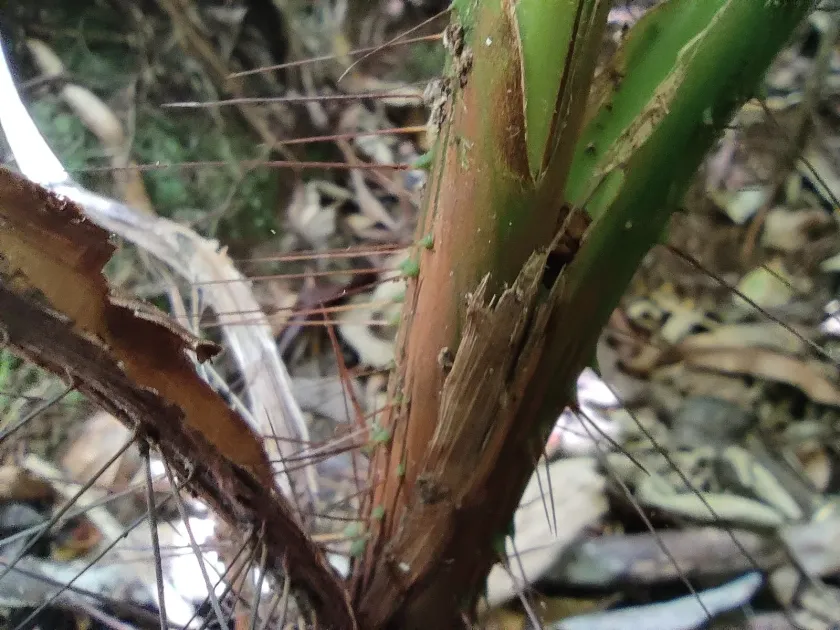
Description
Sowing dates
Propagation of Acanthophoenix rubra is primarily done through seeds, which must be fresh to ensure high germination rates. Soaking the seeds in warm water for 24 hours is a common practice to soften the seed coat.
Seeds should be sown in a sterile, well-draining substrate composed of peat moss and perlite. A temperature range of 25–30°C is required for successful sprouting, which can be slow and sporadic.
Maintaining high humidity around the seed tray is essential; covering the container with plastic wrap helps keep the moisture level consistent during the incubation period.
Once seedlings develop their first true leaves, they should be carefully transplanted into individual pots. The root system is delicate, so caution is advised to prevent damage during handling.
Young plants require bright but indirect lighting and protection from direct sunlight, which can easily scorch the sensitive foliage of the juvenile palms.
Growing requirements
Belonging to the Arecaceae family, Acanthophoenix rubra is native to the Mascarene Islands. It thrives in humid tropical environments that mimic its natural habitat.
The plant demands a consistently moist environment with high relative humidity. It is sensitive to cold temperatures and cannot tolerate frost, requiring protected cultivation in temperate regions.
Soil requirements include a rich, well-aerated medium with a slightly acidic to neutral pH. Proper drainage is the most critical factor to prevent root asphyxiation and rot.
Regular watering with soft, non-chlorinated water is recommended throughout the growing season. In the winter, the frequency of watering should be reduced, but the soil should never dry out completely.
Light levels should be adjusted based on the age of the palm; while mature plants can handle more light, filtered sunlight is usually preferred to maintain the health and color of the leaves.
Yield
In its native range, the palm was historically harvested for its edible apical meristem, commonly referred to as heart of palm. However, this is a lethal harvest for the individual tree.
Today, the focus has shifted entirely to its use as a highly valued ornamental plant. Its distinctive reddish-tinted petioles and elegant, arching fronds make it a prized specimen in collections.
The slow growth rate of this species dictates that its economic value is tied to the long-term production of nursery stock for high-end interior and greenhouse landscaping.
Sustainable cultivation practices are essential, as the species is considered vulnerable in the wild, and wild harvesting is strictly prohibited or regulated in many regions.
Commercial potential is primarily limited to specialty nurseries that focus on rare and exotic palms for botanical gardens and private tropical garden collectors.
Main diseases and pests
Common pests include spider mites and scale insects, particularly when the plant is kept in low-humidity environments. Regular leaf wiping can help mitigate these infestations.
Fungal pathogens such as leaf spot are frequently observed when air circulation is poor. Keeping the foliage dry and providing proper ventilation are key preventative measures.
Root rot is the most common ailment caused by waterlogged soil. Ensuring the potting mix remains airy and that the drainage holes are unobstructed is essential for longevity.
Nutrient deficiencies, specifically magnesium or iron, can cause yellowing between leaf veins. Using a balanced palm-specific fertilizer helps maintain healthy leaf color.
Environmental stress from erratic temperature fluctuations can cause leaf tip necrosis, highlighting the need for a stable and controlled indoor or greenhouse climate.