
Hairy wattle
Acacia vestita
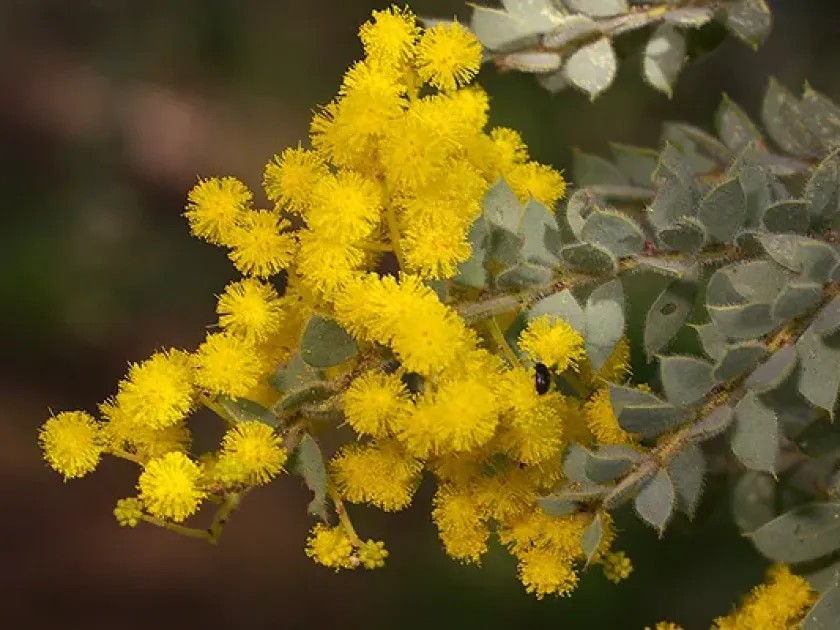
Description
Growing requirements
Acacia vestita, commonly known as the Hairy wattle, is a decorative evergreen shrub belonging to the Fabaceae family. It is native to the southeastern regions of Australia, where it thrives in diverse woodland environments.
Botanically, the plant is distinguished by its dense, fine-haired foliage and elegant, weeping branches. It typically reaches a moderate size, making it a popular choice for ornamental landscaping in Mediterranean-style climates.
The species requires full sun exposure to maintain its shape and ensure abundant flowering. It is notably drought-tolerant once established but performs best when provided with occasional deep watering during dry spells.
Regarding soil, Acacia vestita favors well-draining, slightly acidic to neutral soil types. It is highly sensitive to waterlogged conditions, which can lead to quick decline due to root suffocation.
Given its origin, the plant is not frost-hardy and requires protection in regions experiencing temperatures significantly below freezing, making it suitable for container culture in cooler latitudes.
Main diseases and pests
The primary pests affecting Hairy wattle include scale insects and mealybugs, which often cluster on stems and leaf axils, causing stunted growth and yellowing of the foliage.
Fungal pathogens, particularly those causing root rot, are common threats when plants are grown in heavy, poorly aerated soils. Preventing excess moisture is critical for long-term health.
Sooty mold may develop as a secondary issue following infestations by sap-sucking insects, covering the leaves with a dark, powdery substance that interferes with photosynthesis.
Environmental stress, such as extreme heat combined with high humidity, can occasionally invite opportunistic pests or foliage blight, requiring prompt pruning of the affected parts.
Effective management includes regular monitoring for signs of infestation and maintaining proper plant spacing to ensure adequate airflow and reduce the risk of humidity-related disorders.