
Willow acacia
Acacia salicina
Description
Growing requirements
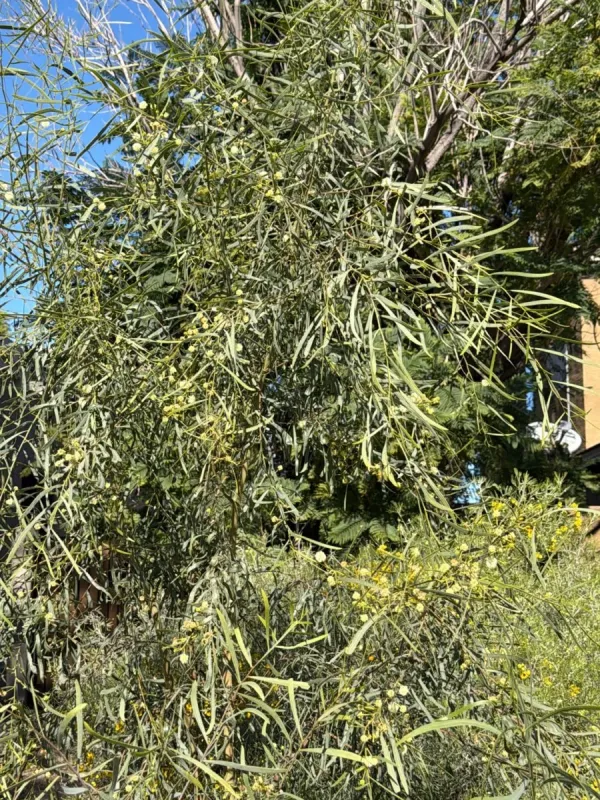
Willow acacia, botanically known as Acacia salicina, is a significant species belonging to the Fabaceae family. This evergreen tree is highly regarded for its graceful, weeping habit and long, willow-like phyllodes, which provide excellent shade in hot climates.
Originating from Australia, this species is naturally adapted to a variety of environments, ranging from arid inland areas to seasonal floodplains. Its ability to withstand extreme environmental stress makes it a valuable asset in modern agroforestry projects across similar climatic zones.
The species is highly versatile regarding soil requirements, thriving in various types including sandy, loamy, and even saline soils. Its deep root system helps in soil stabilization and nitrogen fixation, which significantly contributes to improving the health of degraded lands.
Climatically, Willow acacia requires a position with full sun exposure to maintain its structural integrity and health. It is notably drought-tolerant once established, requiring minimal supplemental irrigation, which makes it an ideal candidate for dryland farming systems.
In practical agricultural use, it serves as a windbreak to protect crops from erosion and as an emergency fodder source for livestock. Furthermore, its timber is durable and prized for carpentry, while the flowers are excellent sources for honey-producing bees.
Main diseases and pests
Young trees are susceptible to various leaf-chewing insects, which can cause significant defoliation if left unchecked. Integrated pest management strategies, focusing on biological controls, are typically sufficient to manage these populations effectively.
Root rot remains the most serious threat when trees are planted in poorly drained soil or subjected to excessive irrigation. Ensuring proper drainage at the planting site is the primary defense against waterlogging-induced pathogens.
Rust diseases can occur under conditions of high humidity or poor air circulation within the canopy. Regular thinning of the branches helps improve airflow, thereby reducing the likelihood of fungal colonization on the phyllodes.
Nematode infestations can occasionally affect trees planted in sandy, nutrient-poor soils, leading to stunted growth. Using certified, healthy nursery stock and implementing crop rotation for land preparation helps mitigate these risks.
Despite these potential threats, Acacia salicina is recognized as a hardy, low-maintenance tree. When provided with an appropriate environment and minimal initial care, it demonstrates robust resistance to most common diseases affecting the genus.