
Wirilda
Acacia retinodes
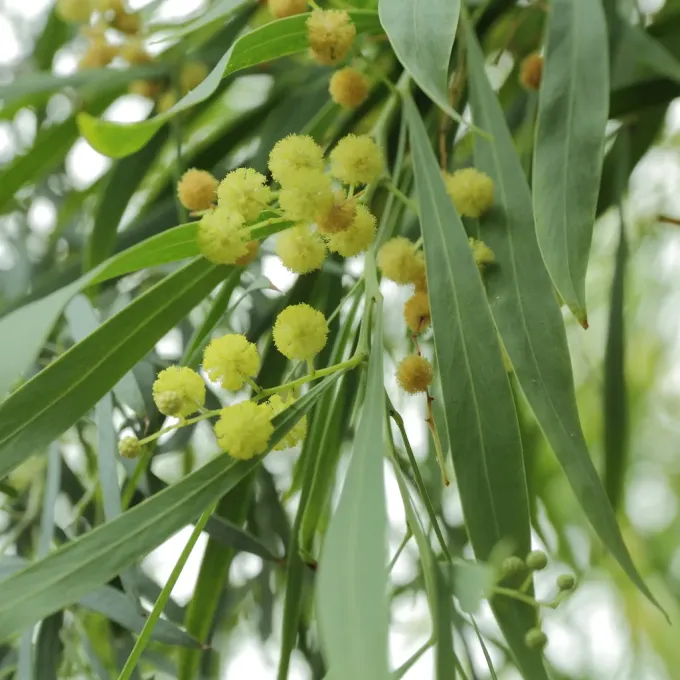
Description
Growing requirements
Acacia retinodes, commonly known as Wirilda, is a versatile evergreen tree or shrub belonging to the Fabaceae family. Native to Australia, it is widely recognized for its high adaptability to diverse environments ranging from coastal plains to inland regions.
This crop thrives in well-drained soil and prefers sunny locations to ensure healthy growth and profuse flowering. It is essential to avoid poorly drained areas, as the species is susceptible to root rot when exposed to prolonged saturation of the root zone.
Climate requirements for this acacia involve mild winters and sufficient sunlight. While it can withstand occasional light frost, it generally performs best in Mediterranean-style climates, where it can maintain its lush appearance throughout the year.
Agrotechnical management includes moderate irrigation, especially during the initial growth phase, and annual pruning post-flowering to maintain an attractive shape. Once established, the plants exhibit significant drought tolerance, requiring minimal supplemental watering.
The primary economic use of Acacia retinodes is in ornamental horticulture. Its long blooming period and resilience make it an excellent candidate for parks, garden screens, and windbreaks, significantly enhancing the aesthetic value of landscapes.
Main diseases and pests
The most common pests affecting Acacia retinodes include mealybugs and spider mites, which tend to infest the plant during periods of dry, stagnant air or extreme heat.
Fungal issues, such as root rot and leaf spots, are typically associated with poor drainage or excessive humidity levels in the surrounding soil profile.
Integrated pest management, including the use of horticultural oils and systemic insecticides, is recommended when pest populations reach economic thresholds.
Proper air circulation through regular thinning of the canopy is a critical cultural practice to mitigate the risk of fungal infections and optimize the plant's physiological health.
Early detection of damage, particularly on tender foliage or new shoots, allows for rapid intervention and prevents the spread of infections to adjacent plants in the collection.