
Downy wattle
Acacia pubescens
Description
Sowing dates
Downy wattle (Acacia pubescens) is typically propagated via seeds, which possess a hard coat requiring mechanical or thermal scarification. This preparation is essential to ensure uniform germination.
The seeds should be sown in a well-draining, sterile potting mix during early spring. Maintaining a consistent temperature between 20°C and 25°C is crucial for successful seedling emergence.
Propagation through semi-hardwood cuttings is also effective. Cuttings are typically taken in mid-summer, treated with rooting hormones, and placed in a misting system to maintain humidity.
Once seedlings or cuttings have established a strong root system, they are transplanted into individual pots or permanent outdoor locations. Care should be taken to avoid damaging the delicate root hairs.
In regions with harsh winters, young plants are kept in controlled environments for the first year to ensure they are robust enough to withstand seasonal shifts once planted in the ground.
Growing requirements
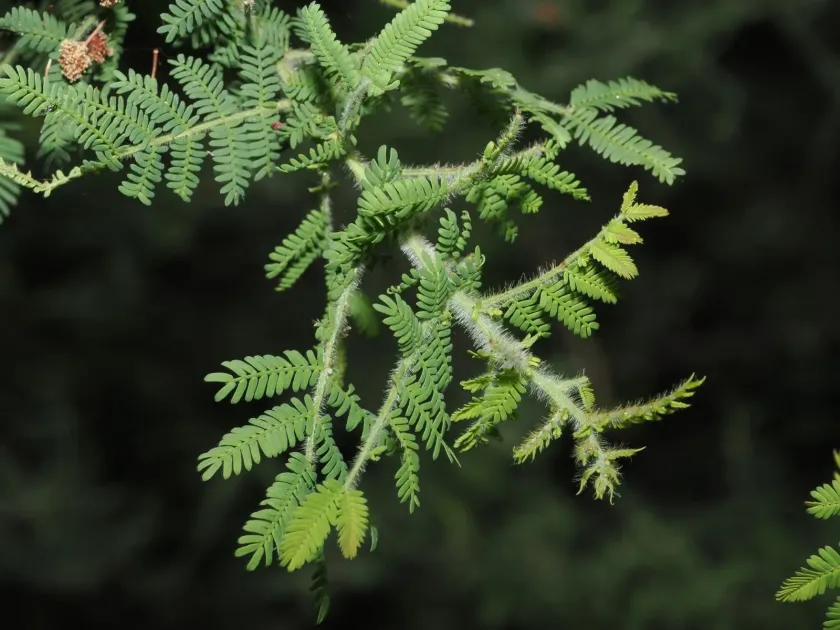
Belonging to the Fabaceae family, Downy wattle is a distinctive shrub known for its fern-like foliage and vibrant yellow flowers. It originates from specific regions of Australia.
The plant thrives in sandy or loamy soils that offer excellent drainage. It is highly sensitive to waterlogged conditions, which can lead to rapid root decay if not addressed.
Full sun exposure is a fundamental requirement for optimal growth and flowering. In shaded conditions, the plant becomes leggy and fails to produce its characteristic dense growth habit.
While the species exhibits some drought tolerance once mature, it requires regular irrigation during the initial establishment phase and throughout peak summer temperatures.
It is not frost-hardy and is best suited for Mediterranean or subtropical climates. In cooler zones, it must be grown in containers that are moved indoors before the first autumn frost.
Main diseases and pests
Powdery mildew is a frequent issue, particularly in humid or stagnant air environments. It presents as a dusty white fungus on the leaflets, which can significantly inhibit photosynthesis.
Spider mites are common pests that thrive in warm, dry indoor environments. They cause stippling on the leaves and can lead to a general decline in the plant's aesthetic appearance.
Scale insects often attach themselves to the stems, feeding on sap and weakening the plant. Regular inspection of the branches is necessary to catch and treat infestations early.
Root rot, caused by pathogens like Phytophthora, is a severe threat usually linked to poor drainage or overwatering. Once established, this condition is often irreversible, making prevention essential.
Integrated pest management strategies, including the use of neem oil or horticultural soaps, are recommended to maintain plant health without relying exclusively on harsh chemical pesticides.