
Acacia praecox
Acacia praecox
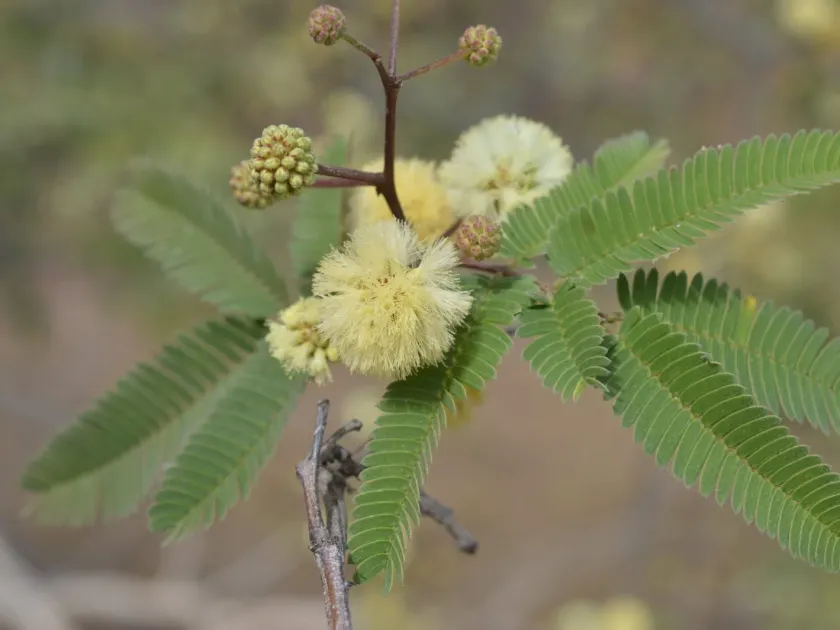
Description
Growing requirements
Acacia praecox is a notable species within the Fabaceae family, native to the arid and semi-arid regions of South America. It is recognized for its significant role in the local ecology and its resilience in challenging environmental conditions.
The tree thrives in well-drained soils, showing a remarkable ability to adapt to rocky and nutrient-poor substrates. It is classified as an extremely drought-tolerant species, making it an excellent candidate for reforestation in semi-arid zones.
From a botanical standpoint, this species features a high-density wood structure that is highly resistant to natural decay. Its root system is extensive, allowing for effective water uptake and soil stabilization, which prevents severe erosion.
To cultivate Acacia praecox effectively, full solar exposure is required. The tree does not tolerate shaded environments well and prefers areas with a clear definition between wet and dry seasons for its reproductive cycle.
Economically, this species is highly valued for its durable wood, which is utilized for construction, fencing, and the production of premium-grade charcoal, contributing to local sustainable forestry practices.
Main diseases and pests
Like many leguminous trees, Acacia praecox is susceptible to various fungal pathogens that flourish in areas with poor ventilation or high humidity levels within the canopy.
Insect pests, particularly wood-boring beetles and certain species of leaf-eating insects, pose a recurring threat to both the structural integrity and the vitality of the trees.
Seed pods can often be targeted by bruchid beetles, which significantly impact the germination rates if seeds are collected for nursery propagation or forest enrichment.
Management strategies focus on maintaining optimal spacing between trees to ensure proper airflow, which drastically reduces the risk of moisture-related fungal issues.
Regular sanitation programs, including the removal of dead or dying wood, are essential to prevent the buildup of pest populations within commercial forest stands.