
Acacia polyphylla
Acacia polyphylla
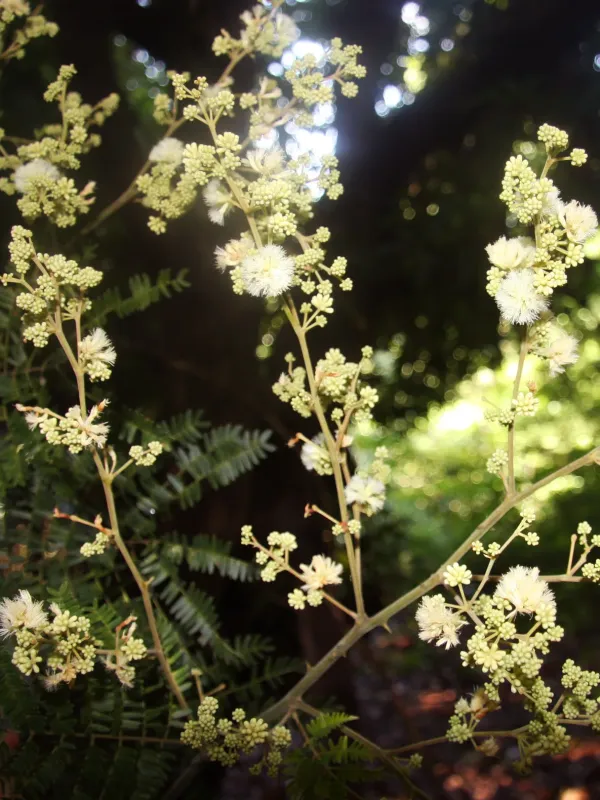
Description
Growing requirements
Acacia polyphylla is a prominent member of the Fabaceae family, native to the tropical landscapes of South America. This species is highly regarded for its rapid growth rate and its ecological role in natural nitrogen fixation, which significantly improves soil quality.
The tree thrives in well-drained soils and exhibits notable tolerance for various soil types, although it performs best in deep, fertile substrates. Adequate drainage is crucial, as the root system is highly sensitive to waterlogging, which can lead to rapid decay.
Climatic requirements for optimal development include a tropical or subtropical environment with consistently high temperatures. Acacia polyphylla is best suited for regions where the risk of severe frost is non-existent, as cold stress can be lethal to young saplings.
Full sun exposure is a non-negotiable requirement for this species. To achieve the desired timber quality and canopy density, trees must be planted in wide spacings that prevent competition for light and facilitate air circulation.
Industrial utility of this species is extensive, ranging from the production of high-quality durable timber for cabinetry to landscape restoration projects. Its ability to serve as a soil binder makes it an excellent choice for reforestation programs in degraded areas.
Main diseases and pests
Root rot, primarily caused by fungal pathogens such as Phytophthora, represents the most significant biological threat to plantations. Maintaining appropriate moisture levels and avoiding water accumulation is the primary defense strategy.
Pest management is focused on controlling wood-boring beetles that can compromise the structural integrity of the trunks. Regular field inspections and the removal of severely affected specimens are critical steps in preventing colony expansion.
Defoliating insects can occasionally cause damage to the foliage during periods of environmental stress. Implementing integrated pest management (IPM) practices, including the use of pheromone traps, helps keep populations below the economic injury level.
Environmental management involves keeping the forest floor clean of debris to prevent the buildup of pathogens. Sanitation pruning is recommended to ensure that damaged or diseased branches do not become entry points for pests.
Proper silvicultural practices, including balanced fertilization and correct site selection, are the most effective ways to enhance the natural resistance of Acacia polyphylla against common regional pests and diseases.