
Acacia pennatula
Acacia pennatula
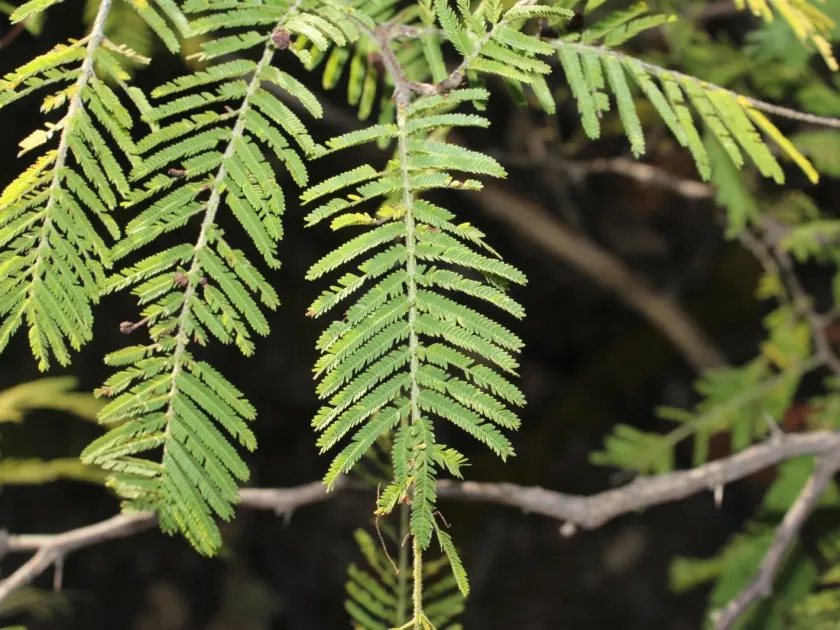
Description
Sowing dates
Propagation of Acacia pennatula is primarily achieved through seeds. Because the seeds are protected by a hard, impermeable seed coat, mechanical or chemical scarification is essential to ensure uniform and rapid germination rates.
Sowing is best performed in seedbeds or nursery containers. The optimal timing aligns with the beginning of the rainy season, which provides the necessary moisture for young seedlings to establish their root systems before the onset of the dry season.
When transplanting into the field, a spacing of 3 to 5 meters is recommended. This distance allows for the development of the canopy and prevents excessive competition for sunlight, promoting robust tree growth.
During the initial months, weed management around the saplings is crucial to avoid resource competition. Applying organic mulch can significantly aid in soil moisture retention and weed suppression.
The species exhibits a moderate growth rate during its early life stage. However, once the root system is well-established, the tree shows rapid development and resilience in various environments.
Growing requirements
Acacia pennatula is a member of the Fabaceae family and is highly adapted to tropical and subtropical ecosystems. It thrives in well-drained soils, including rocky or gravelly terrains that would be challenging for more sensitive crops.
The native range extends from Mexico through Central America. The plant is remarkably drought-tolerant, making it an excellent candidate for regions experiencing long dry seasons where water scarcity is a primary concern.
Sunlight is critical for the development of this species. It requires full exposure to solar radiation to maintain a dense canopy and to support its flowering cycles, as it does not perform well in shaded conditions.
Ideal temperatures for growth range between 20 and 30 degrees Celsius. While it can withstand hot climates, it is vulnerable to severe frosts and is best suited for climates without significant freezing events.
A key biological trait is the plant's ability to fix nitrogen in the soil through root nodules. This makes it an invaluable asset in agroforestry systems for restoring soil fertility and promoting biodiversity.
Yield
The primary economic use of Acacia pennatula is as a source of livestock forage. Both the foliage and the protein-rich seed pods serve as a vital feed supplement for cattle and goats, particularly during periods of scarce grazing.
Its timber is highly valued for its density and durability. It is frequently used to construct rural infrastructure, including farm fences and various implements, and it serves as a high-quality source of firewood and charcoal.
The tree also functions as an important honey plant, supporting local beekeeping industries. The nectar produced by its flowers leads to honey with unique characteristics and flavor profiles.
In terms of land management, the tree is highly effective at preventing soil erosion. Its strong, deep root system stabilizes slopes and enhances water infiltration into the subsoil, aiding in land reclamation.
By integrating this tree into farm systems, producers can achieve multiple benefits, combining fodder production, soil protection, and the generation of essential forest products from a single source.
Main diseases and pests
Common pests include various leaf-eating insects that can damage foliage, especially in young plants. Integrated pest management, focusing on monitoring and biological control, is recommended for managing large infestations.
Fungal diseases are generally linked to poor drainage or excessive humidity. Ensuring proper air circulation within the canopy and choosing suitable, well-drained planting sites are the best preventive measures.
Seed-boring beetles pose a significant risk to harvested seeds. Proper storage techniques, such as keeping seeds in airtight containers and ensuring they are completely dry, are necessary to prevent losses.
Sanitary pruning should be performed regularly to remove dead or diseased branches. This practice reduces the presence of potential pathogens and promotes the overall health and vigor of the tree.
Overall, Acacia pennatula is a robust species with few major threats. Most problems can be mitigated through sound agronomic practices and regular field observation to identify potential issues early.