
Acacia paniculata
Acacia paniculata
Description
Growing requirements
Acacia paniculata, belonging to the Fabaceae family, is a distinct tree species native to the tropical landscapes of Central and South America. This legume species is recognized for its significant ecological role and its ability to thrive in warm, humid climates where it contributes to forest diversity.
The plant requires well-drained, fertile soil to ensure optimal growth and development. While it is adaptable to various soil types, it performs best in environments where moisture is consistent but not stagnant, as waterlogged roots are detrimental to the long-term health of the specimen.
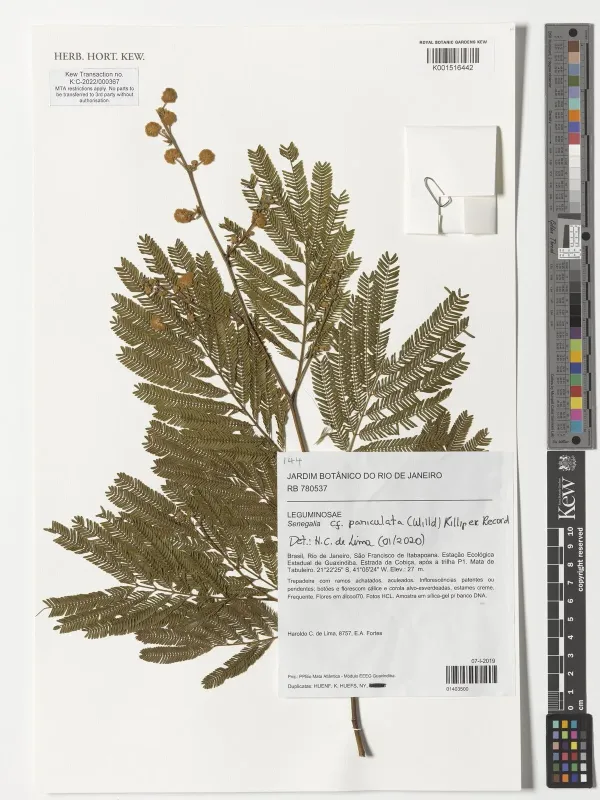
Botanically, it is characterized by its spreading, branched structure and fine, bipinnate leaves. The tree produces attractive panicles of small flowers, which serve as a primary source of nectar for local pollinators. This reproductive strategy ensures wide distribution within its natural range.
Agricultural management of this crop involves maintaining soil fertility through organic amendments and ensuring adequate spacing between trees to promote air circulation. As a nitrogen-fixing legume, it is particularly useful in agroforestry projects designed to improve poor-quality lands.
The primary economic uses of Acacia paniculata include reforestation, soil conservation, and local timber production for small-scale applications. It is also highly valued as a hardy ornamental tree in landscape architecture projects in tropical and subtropical regions worldwide.
Main diseases and pests
The most common health issues for Acacia paniculata are related to root pathogens, which often arise from improper watering practices. Ensuring proper drainage is the most effective preventative measure against the onset of root decay and other moisture-related ailments.
Insect pests, such as leaf-miners and scale insects, may occasionally infest the foliage, particularly during dry seasons. Regular monitoring and the application of biological control methods can mitigate damage without harming the beneficial ecosystem surrounding the trees.
Fungal infections, including powdery mildew, can appear in environments with low airflow and high humidity. Pruning the canopy to open up the internal branches helps reduce moisture traps and limits the conditions that favor the spread of fungal spores.
Physical damage to the bark caused by tools or environmental factors can lead to secondary infections. It is essential to treat any lesions or open wounds on the trunk promptly with suitable protective dressings to prevent the entry of pathogens into the vascular system.
Maintaining a balanced nutrient profile in the soil is crucial for the tree's natural defense systems. By providing adequate phosphorus and potassium, growers can ensure that the plant remains resilient against environmental stresses and potential infestations throughout its life cycle.