
Acacia ixiophylla
Acacia ixiophylla
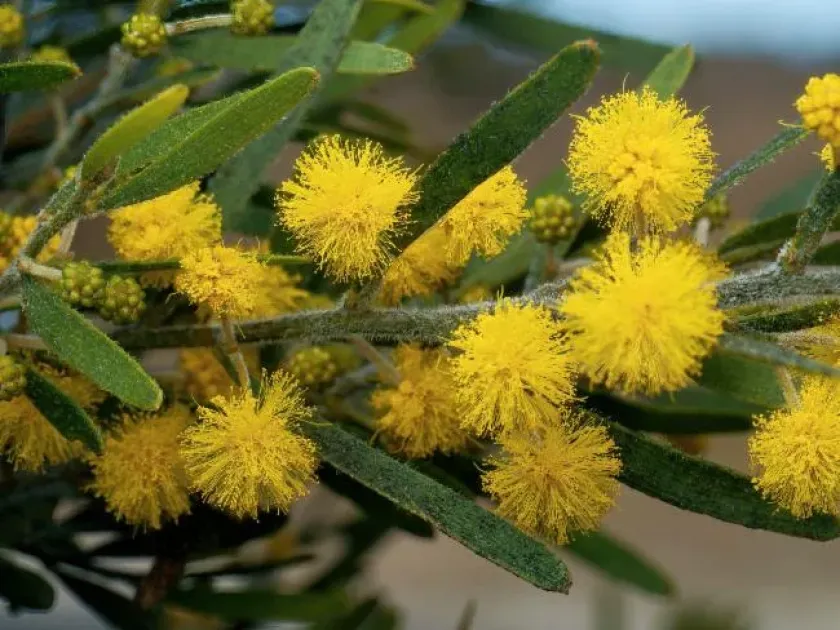
Description
Growing requirements
Acacia ixiophylla is a perennial shrub belonging to the Fabaceae family, native to Western Australia. This species is highly regarded for its ability to thrive in challenging, arid environments where other plants might struggle.
Botanically, it forms a dense, evergreen structure typically ranging from one to three meters in height. Its foliage consists of phyllodes, which are modified petioles that facilitate photosynthesis while minimizing transpiration losses.
To cultivate this species successfully, one must ensure well-draining soil, ideally of a sandy or gravelly texture. The plant is extremely intolerant of waterlogging, as excessive moisture can quickly lead to root rot.
Acacia ixiophylla requires full sun exposure to maintain its structural integrity and vibrant appearance. It is classified as a highly drought-tolerant species, making it an excellent candidate for low-maintenance landscaping.
Economically, it is used for soil stabilization and environmental restoration in semi-arid regions. As a member of the legume family, it also plays a role in nitrogen fixation, enriching the soil quality over time.
Main diseases and pests
Root diseases, particularly those caused by fungal pathogens, are the primary threat to the plant's health. These are almost exclusively linked to improper watering practices or heavy, compacted soil conditions.
Pest pressures primarily include sap-sucking insects such as aphids and scale insects. These pests can cause chlorosis or stunt growth, particularly if the plant is under environmental stress.
Effective management requires regular inspection and the timely application of systemic pesticides if pest populations exceed economic thresholds. Maintaining a clear base around the trunk helps prevent moisture accumulation.
Some nematode species can affect root development, especially when the plant is grown in unfavorable soil conditions. Ensuring a diverse soil environment is part of a preventative integrated pest management strategy.
Regular maintenance, including the removal of dead or crossing branches, ensures adequate airflow and light penetration throughout the canopy. This simple practice significantly reduces the risk of pest and disease outbreaks.