
Acacia iteaphylla
Acacia iteaphylla
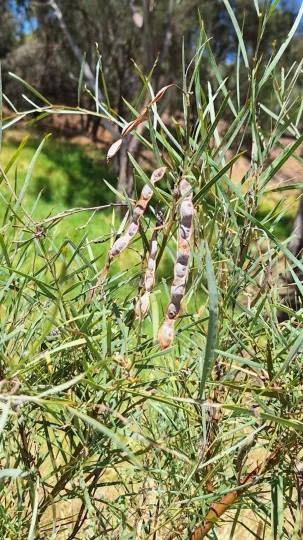
Description
Growing requirements
Acacia iteaphylla, commonly known as the Winter Wattle, is a popular ornamental evergreen shrub from the Fabaceae family. It is highly valued for its attractive pendulous foliage and abundant, fragrant pale-yellow flower spikes that bloom in late winter or early spring.
Native to the arid regions of South Australia, this species is exceptionally well-adapted to dry climates. It features silvery-green phyllodes, which are modified leaf stalks that act as true leaves, significantly reducing water loss through transpiration in harsh environments.
The plant thrives in full sun and requires well-drained soil to prevent root issues. It is remarkably tolerant of a wide range of soil types, including slightly alkaline or sandy compositions, provided there is no long-term waterlogging around the root collar.
In terms of agricultural management, this plant is low-maintenance. Once established, it requires very little additional irrigation. It is also a nitrogen-fixing species, meaning it improves soil fertility by converting atmospheric nitrogen into a form that plants can absorb.
Regular pruning is recommended to maintain a tidy appearance and prevent the shrub from becoming too woody. Lightly trimming the tips after the flowering period promotes denser growth and better structural integrity for the following year.
Main diseases and pests
Winter Wattle is generally pest-free, but in poorly drained soils, it becomes susceptible to Phytophthora root rot. Ensuring proper drainage is the most effective preventative measure against this pathogen.
Sap-sucking insects like mealybugs and scale can occasionally infest the branches. These pests are usually managed through localized treatment with horticultural soaps or oil-based insecticides.
In arid conditions, spider mites may appear on the foliage. Increasing humidity or utilizing specific miticides is effective if the infestation poses a threat to the plant's aesthetic value.
Fungal leaf spots can occur during periods of prolonged high humidity. Proper spacing between individual plants is essential to allow adequate airflow and reduce the likelihood of moisture buildup on the phyllodes.
Overall, monitoring the plant's health during the spring growth flush is crucial to catch any minor pest or disease issues before they escalate into significant problems for the shrub.