
Acacia heterophylla
Acacia heterophylla
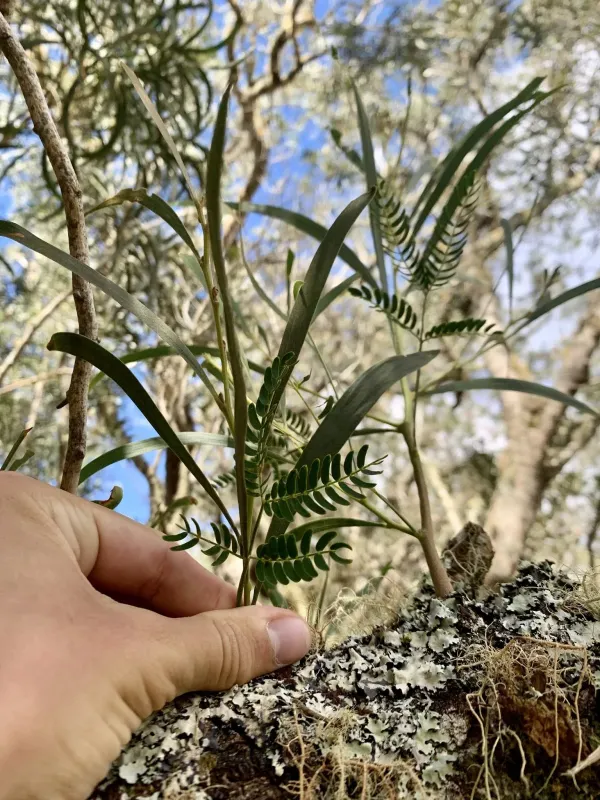
Description
Growing requirements
Acacia heterophylla is a prominent species within the Fabaceae family, native to the volcanic highlands of Réunion Island. It is a long-lived, evergreen tree that defines the local landscape and contributes significantly to the island's biodiversity.
The plant is scientifically recognized for its heterophylly, transitioning from compound, feathery leaves as a seedling to specialized phyllodes in maturity. This physiological adaptation is crucial for maintaining water balance in the high-altitude, misty conditions of its habitat.
For successful cultivation, the species requires well-drained volcanic soils that are typically acidic in nature. It does not tolerate waterlogging, and high levels of soil aeration are essential for the health of its nitrogen-fixing root system.
The climate must be consistently cool and humid, mimicking the tropical mountain environment. Excessive heat and arid conditions are detrimental to the tree's health, making its agricultural range strictly limited to temperate high-elevation zones.
Economically, the species is highly valued for its durable and aesthetically pleasing timber. It also plays a vital role in ecological restoration, specifically in preventing soil erosion and improving soil fertility due to its symbiotic relationship with nitrogen-fixing bacteria.
Main diseases and pests
The primary threat to the stability of Acacia heterophylla populations is the spread of invasive species. Exotic plants often outcompete young acacia seedlings, hindering natural regeneration and ecosystem balance.
Insect pests, particularly borers and wood-attacking beetles, pose a recurring risk to timber quality. These pests create galleries within the wood, which can compromise the structural integrity of the trunks and encourage pathogen entry.
Root rot caused by fungal pathogens is common in poorly drained forest sites. High moisture levels, coupled with mechanical root damage from wildlife or grazing animals, facilitate the spread of these soil-borne diseases.
Environmental stress, driven by shifting climate patterns, is increasingly affecting the tree's vigor. Reduced resilience makes the species more prone to attacks from common forest pests and opportunistic secondary infections.
Human intervention, including land conversion and illegal grazing, remains a critical threat to the preservation of native stands. Sustainable management strategies are required to protect existing forests and promote responsible growth.