
Brigalow
Acacia harpophylla
Description
Growing requirements
Acacia harpophylla, commonly known as Brigalow, is a tree species belonging to the Fabaceae family. It is native to eastern Australia, where it defines the characteristic woodland communities known as "brigalow scrub," typically growing on heavy-textured, cracking clay soils.
The culture is highly specialized, thriving in environments that are often hostile to other plants due to high soil salinity and low water infiltration rates. Its ability to colonize such clay-rich sites makes it a vital subject for land reclamation and conservation efforts.
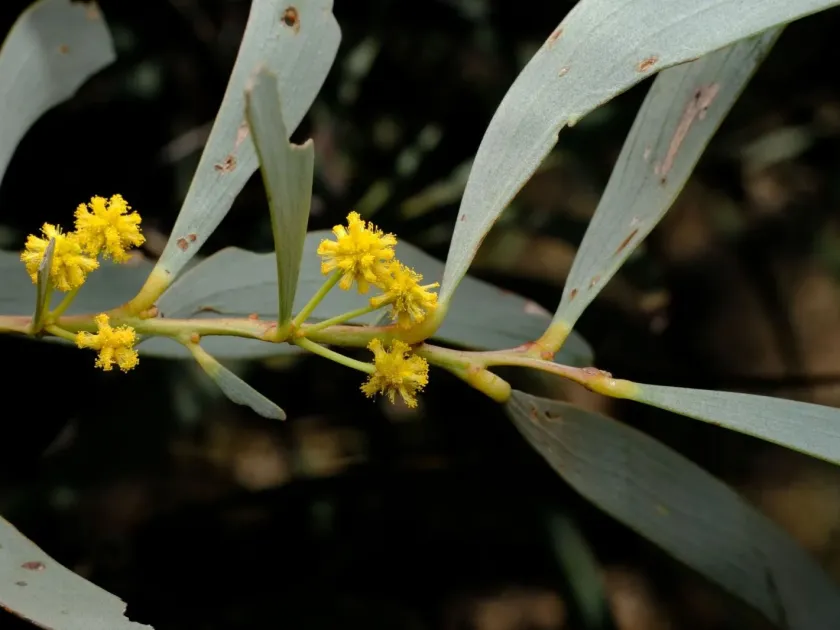
In terms of climate, Brigalow is well-adapted to semi-arid regions with high temperatures. Its leaves are modified into phyllodes—flattened leaf stalks—which serve to reduce water loss, enabling the tree to survive long periods of extreme drought and high evaporative demand.
The biological structure of Acacia harpophylla includes a dense canopy and a deep root system. The tree also engages in nitrogen fixation through symbiotic relationships with soil bacteria, which provides a significant nutritional advantage in nutrient-poor environments.
Economic uses of Brigalow are diverse, primarily focused on its extremely hard, durable timber. Historically, the wood has been utilized for fencing, high-quality furniture, and specialty woodwork. Additionally, it serves as an essential shade tree for livestock in its native rangelands.
Main diseases and pests
The main threats to Brigalow include fungal pathogens that target the root systems, especially in areas with poor drainage. Moisture accumulation in the clay soils can trigger decay, which leads to the decline of healthy adult trees over time.
Insect pests, including various species of borers and beetles, represent a significant danger by damaging the vascular tissues of the tree. Effective management involves monitoring for entry holes in the bark and evidence of branch dieback in young stands.
Land clearing for agricultural development has been the primary historical threat to Brigalow habitats. Modern efforts focus on sustainable management practices and the protection of remaining woodland fragments to preserve the ecological balance of the region.
Fire sensitivity is a critical factor for juvenile plants, which are easily killed by heat. Mature trees show better resilience, often sprouting from the rootstock following a fire event, although this growth process is slow and requires protection from competing weeds.
Management strategies for this species prioritize the maintenance of healthy forest stands through natural regeneration. Silvicultural practices are designed to promote canopy health and prevent overcrowding, which can lower the immunity of the trees against environmental stressors.