
Acacia flexifolia
Acacia flexifolia
Description
Growing requirements
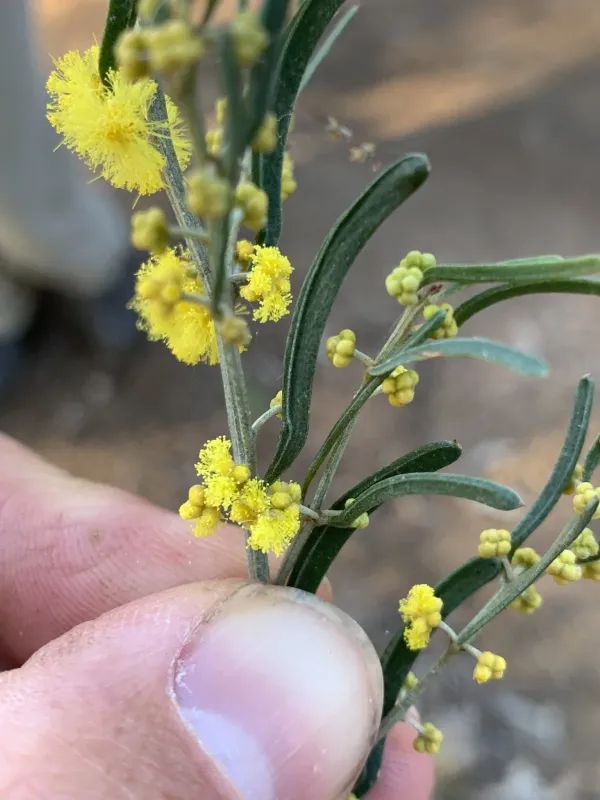
Acacia flexifolia, commonly known as the Bent-leaf Wattle, is a shrub belonging to the Fabaceae family. This species is endemic to Australia and is recognized for its unique, zig-zag shaped phyllodes.
Botanically, the plant is characterized by its compact habit, usually growing up to two meters in height. It produces bright yellow, globular flower heads that create a significant ornamental effect during the late winter and spring seasons.
The species is well-adapted to harsh, dry environments. It thrives in well-drained, sandy, or rocky soils and requires a full sun exposure to maintain its compact shape and promote healthy flowering cycles.
Cultivation practices for this plant are relatively simple. It is highly drought-tolerant once established and does not require frequent irrigation, provided that the soil drainage is excellent to prevent root system issues.
In terms of agricultural and landscape use, Acacia flexifolia is primarily cultivated as an ornamental plant. Its drought-resistant nature makes it an excellent candidate for xeriscaping and low-maintenance garden designs in Mediterranean-like climates.
Main diseases and pests
Root rot is the most common threat to Acacia flexifolia, often resulting from poor soil drainage and waterlogging in the root zone.
Pests such as mealybugs, scale insects, and spider mites may infest the foliage, particularly if the plant is grown in poorly ventilated spaces or greenhouses.
Fungal leaf spot diseases can occur under high humidity conditions, necessitating improved air circulation around the canopy of the plant.
Nutrient toxicity, especially sensitivity to phosphorus, is a critical factor; fertilizers should be chosen carefully to avoid harming the plant's natural growth processes.
Regular monitoring for symptoms of wilting or discoloration is recommended to detect infections early and apply appropriate horticultural interventions.