
Yellow wattle
Acacia flavescens
Description
Growing requirements
Acacia flavescens, commonly known as the yellow wattle, is a prominent member of the Fabaceae family native to northeastern Australia. It is characterized as a fast-growing evergreen tree that thrives in tropical and subtropical regions.
The plant demonstrates a remarkable ability to adapt to a wide variety of soil types, ranging from sandy loams to rocky substrates, making it an excellent candidate for land reclamation projects.
In terms of environmental conditions, this species requires full sun exposure to maintain its vigorous growth rate. It is biologically adapted to withstand seasonal drought, which is a common trait among many Australian acacia species.
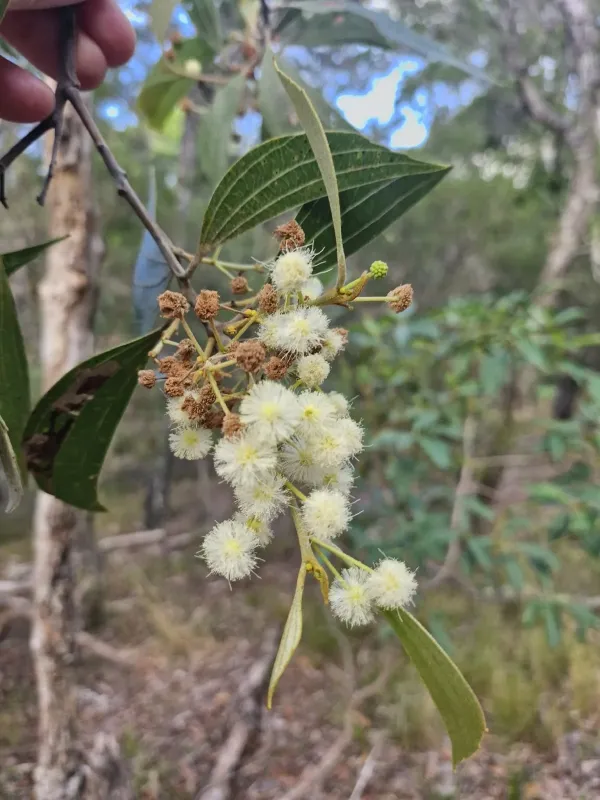
Botanically, it features distinct phyllodes and produces dense spikes of yellow flowers. These structures are not only visually appealing but also provide vital resources for native pollinators in its natural range.
Its primary agricultural and forestry use is centered around soil erosion control, windbreaks, and site restoration, contributing significantly to ecological sustainability in its native territory.
Main diseases and pests
One of the primary threats to Acacia flavescens is the development of root diseases caused by pathogenic fungi, typically occurring in poorly drained or waterlogged soils.
Insect pests, including wood-boring larvae and certain types of beetles, can cause significant damage to the plant's vascular system, potentially weakening the integrity of the trunk.
Foliar diseases, such as leaf spot, may occur in high humidity environments, reducing the plant's capacity for photosynthesis and slowing down its overall development.
Mechanical damage from severe weather events represents an additional risk, as the rapid growth of young trees may result in more fragile wood structures if not managed correctly.
Integrated pest management strategies focusing on soil health and adequate spacing are essential for mitigating these risks and ensuring the longevity of acacia plantings.