
Acacia ericifolia
Acacia ericifolia
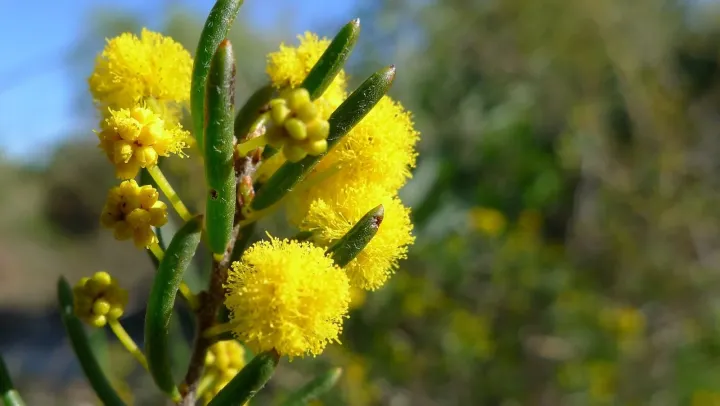
Description
Growing requirements
Acacia ericifolia is a notable shrub belonging to the Fabaceae family, recognized for its specialized adaptation to harsh environments. Its botanical name refers to the distinctive, heather-like foliage that sets it apart from many other acacia species.
The plant originates from the arid regions of Australia, where it has evolved to thrive in nutrient-poor, sandy soils. Its distribution is closely linked to specific ecological niches that require high drought tolerance and low resource consumption.
Cultivation requirements necessitate well-drained, porous soil conditions to ensure plant health. Waterlogging is the primary risk factor for this species, as it rapidly promotes root decay and systemic failure under cultivation conditions.
Climatically, Acacia ericifolia prefers intense solar radiation and stable temperatures. It is an ideal candidate for xeriscaping and sustainable forestry projects in regions facing water scarcity, providing stability to the landscape with minimal intervention.
The primary economic and environmental value of this culture lies in its nitrogen-fixing capabilities and soil stabilization potential. By improving soil quality, it acts as a pioneer species that prepares the ground for subsequent successional vegetation.
Main diseases and pests
Plants are susceptible to powdery mildew during humid, stagnant periods of the year. Additionally, minor infestations of sap-sucking insects can occur, requiring standard integrated pest management strategies to maintain plant vigor.