
Acacia doratoxylon
Acacia doratoxylon
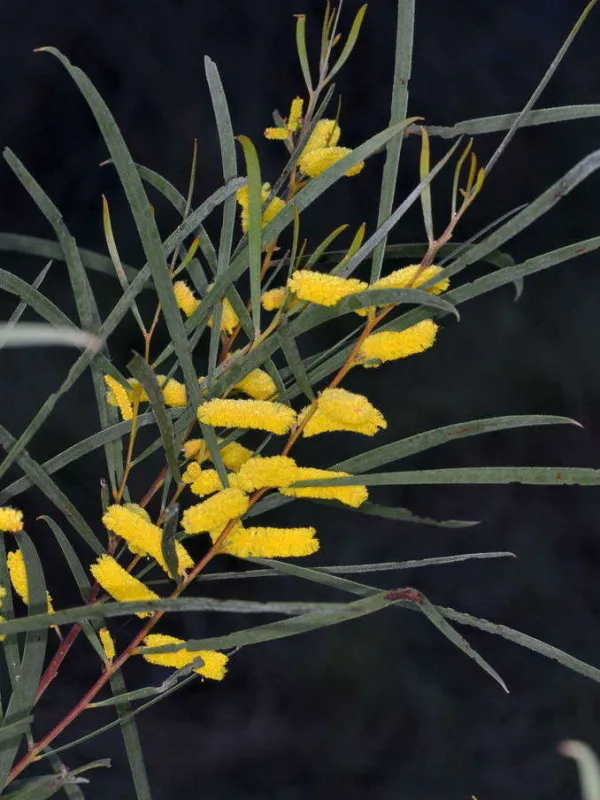
Description
Sowing dates
Acacia doratoxylon, commonly known as the spearwood wattle, belongs to the Fabaceae family. Propagation is primarily achieved through seeds, which possess a hard coat requiring pretreatment for successful germination.
To encourage germination, seeds should be treated with boiling water for a short duration or scarified mechanically. This mimics natural bushfire events that often trigger acacia growth in the wild.
Sowing occurs during the warmer months. Seeds are typically sown at a depth of about 1 centimeter in well-draining, sandy or loamy soil. Consistent moisture is required only until the seedlings are established.
When starting in a nursery, seedlings should be protected from extreme conditions. Once they reach a height of approximately 25-30 centimeters, they are ready for transplanting into the field.
Planting density is determined by the intended use of the site. For shelterbelts or erosion control, spacing of 2 to 3 meters is standard to allow for healthy development and coverage.
Growing requirements
Native to Australia, this species is highly adapted to semi-arid climates. It requires full sunlight exposure to maintain its vigor and produce its characteristic dense foliage.
The spearwood wattle is not demanding regarding soil quality, as it thrives in rocky, stony, or gravelly soils where other crops might fail. Excellent soil drainage is non-negotiable for its health.
The plant is exceptionally drought-tolerant once mature, capable of sustaining itself through extended dry spells. It is also hardy enough to handle occasional light frosts without suffering significant damage.
Acacia doratoxylon contributes to soil fertility by fixing atmospheric nitrogen through its roots. This process improves the nutritional profile of the soil, benefiting surrounding vegetation.
Maintenance involves keeping the base of the plant free from aggressive weeds for the first few years. Regular clearing helps reduce competition for nutrients and ensures rapid growth.
Yield
The primary agricultural utility of this species is in land rehabilitation. Its deep roots help bind the soil together, preventing erosion and stabilizing landscapes prone to degradation.
Historically, the name 'spearwood' reflects the traditional use of its exceptionally strong and straight timber. Today, it remains valued for craftwork, tool handles, and small-scale carpentry.
The tree serves as a reliable honey source during its flowering period. It acts as an important component of the local ecosystem, supporting pollinator health in agricultural regions.
As a shelterbelt species, it significantly reduces wind speed, protecting adjacent delicate crops from mechanical damage and moisture loss during dry, windy seasons.
Its ability to produce biomass in marginal environments makes it a sustainable choice for firewood production or as a forage supplement for livestock during periods of feed shortage.
Main diseases and pests
Stem-boring insects present the most significant threat to the spearwood wattle. These pests burrow into the woody tissue, which can structurally weaken the tree if an infestation is severe.
Defoliating insects may affect young saplings, though the tree usually demonstrates high resilience and recovers quickly once the peak pest activity subsides.
Root rot, caused by waterlogging or pathogens, is a common issue in poorly drained sites. Ensuring the planting area has sufficient slope or drainage is the best preventive measure.
Fungal diseases can occur if the canopy remains too dense or airflow is restricted. Proper spacing between individual trees is necessary to promote healthy air circulation and reduce disease risk.
- Monitor for signs of boreholes or sawdust at the base of the stem.
- Maintain proper spacing to ensure adequate light and air penetration.
- Avoid irrigation practices that keep the root zone constantly saturated.