
Acacia denticulosa
Acacia denticulosa
Description
Growing requirements
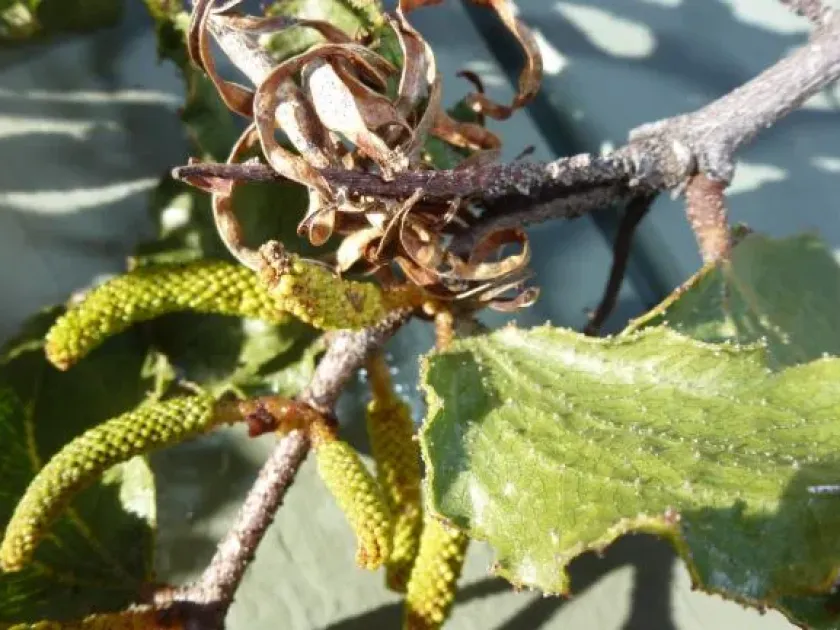
Acacia denticulosa, commonly known as the Sandpaper Wattle, is a unique species within the Fabaceae family, originating from the arid regions of Western Australia. This plant is highly prized for its distinctive, scabrous foliage with characteristic toothed margins.
The botanical structure of this shrub is adapted to harsh environments, featuring a compact growth habit that makes it an excellent choice for xeriscaping. It typically reaches a height of 2 to 3 meters, depending on the specific soil composition and available light.
For successful cultivation, the species requires excellent soil drainage and a sunny position. It is highly intolerant of waterlogging, which often leads to root rot; therefore, planting on raised beds is highly recommended to mimic its natural habitat conditions.
The climate requirements include high light intensity and warm temperatures. The plant is drought-tolerant once established but needs occasional deep watering during the initial growth phases to ensure a deep and robust root system development.
The main application of Acacia denticulosa is in ornamental landscaping, where it is used for its striking texture and golden flowers. It also plays a vital role in supporting local biodiversity by providing nectar for native pollinators during the blooming season.
Main diseases and pests
Common pathological threats include fungal infections of the root system, often caused by excessive humidity or poor soil aeration. Maintaining a dry, well-ventilated growing environment is the primary management strategy for these plants.
Pests such as scale insects and aphids may occasionally infest the foliage, particularly in confined spaces with poor air circulation. Integrated pest management, including systemic insecticides and manual removal, is typically effective in controlling these issues.