
Acacia deanei
Acacia deanei
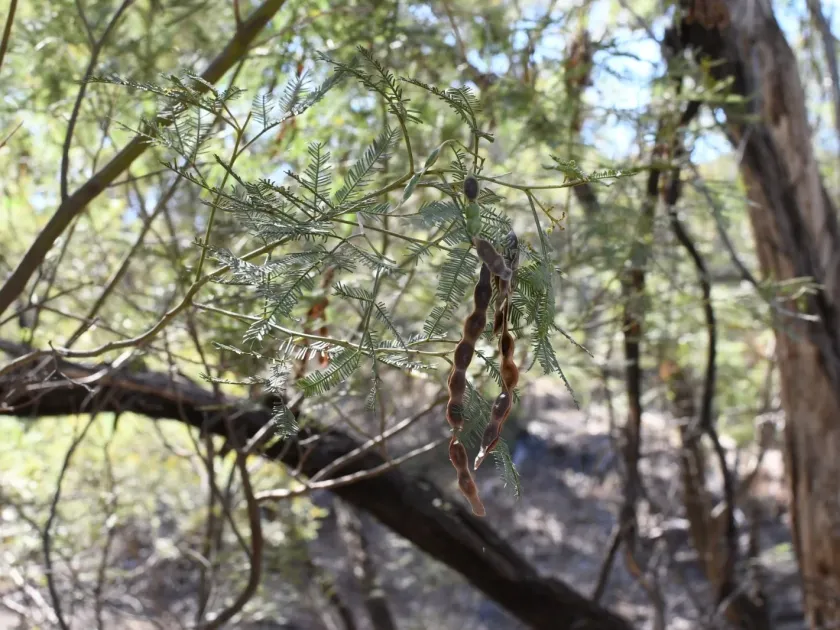
Description
Sowing dates
Propagation of Acacia deanei is primarily achieved through seeds, which require pre-sowing treatment to improve germination rates. As a member of the Fabaceae family, its seeds have a hard seed coat that must be scarified using hot water treatment or mechanical abrasion to allow water absorption.
Sowing should take place in spring when soil temperatures reach stable levels suitable for active growth. Seeds are typically sown in a well-drained medium at a depth of approximately 5 to 10 millimeters, covered with a thin layer of soil or sand to ensure consistent moisture levels.
In commercial nurseries, seed trays or containers are preferred to monitor early development and facilitate transplanting. Germination is typically uneven and can take anywhere from two to four weeks depending on the soil moisture and ambient temperature conditions.
Maintaining a warm environment for the newly emerged seedlings is crucial for establishing a robust root system. Once the seedlings develop their first true leaves, they should be gradually acclimatized to full sun conditions to harden off before final planting.
Thinning is necessary if seeds are sown in rows to ensure each plant receives adequate nutrients and light. Overcrowding can lead to stunted growth and increased susceptibility to fungal diseases caused by poor ventilation.
Growing requirements
Acacia deanei, commonly known as Deane's wattle, is a fast-growing, evergreen tree or shrub native to Australia. It is highly valued in environmental restoration for its ability to stabilize soil and survive in harsh, arid climates with minimal maintenance.
The plant thrives in full sun exposure and is exceptionally drought-tolerant once established. Its ability to grow in various soil types, from sandy loams to rocky substrates, makes it a versatile candidate for diverse agricultural and reforestation projects.
Climatically, it prefers temperate to subtropical regions. While it is hardy and can withstand light frosts, younger plants may require protection during extreme winter conditions until they develop sufficient bark thickness and woody structure.
One of the primary benefits of this species is its nitrogen-fixing ability through symbiosis with Rhizobium bacteria. This biological process enriches the soil with essential nutrients, reducing the need for synthetic nitrogen fertilizers in agroforestry settings.
Optimal growth occurs in well-drained environments. Avoid heavy clay soils prone to waterlogging, as the species is sensitive to root rot when exposed to long periods of stagnant moisture around the root zone.
Main diseases and pests
Pest management for Acacia deanei mainly involves monitoring for sap-sucking insects like scales and mealybugs. These pests can weaken the plant by extracting essential nutrients from the succulent new growth, often leading to secondary infections.
Fungal diseases are predominantly associated with excessive humidity and lack of airflow. Leaf spots and root rots are the most common issues, which can be mitigated by ensuring proper plant spacing and avoiding overhead irrigation that leaves foliage wet for extended periods.
Wood-boring insects can pose a significant threat to mature trees by tunneling into the trunk and branches. Regular inspection for exit holes or frass accumulation is necessary to identify infestations early and apply appropriate control measures.
Integrated Pest Management (IPM) strategies, including the use of horticultural oils and biological control agents, are recommended to maintain tree health without relying heavily on broad-spectrum chemical pesticides.
Sanitation practices, such as removing and destroying dead or diseased branches, are vital for preventing the spread of pathogens throughout the grove. Maintaining vigorous tree health through correct watering and nutrient management remains the best defense against threats.