
Acacia curvinervia
Acacia curvinervia
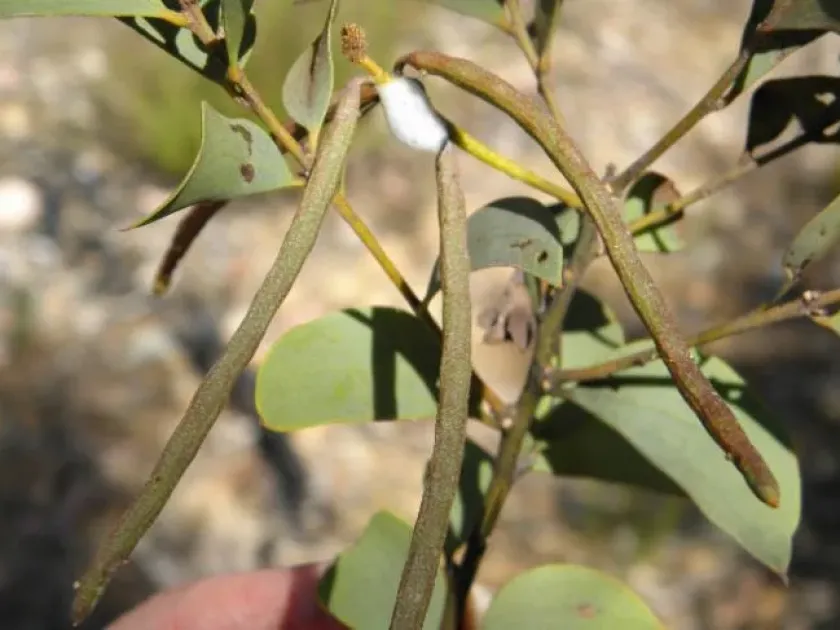
Description
Growing requirements
Acacia curvinervia is a woody plant species belonging to the Fabaceae family (Legumes). It is native to arid regions where it has evolved to thrive under harsh conditions characterized by limited rainfall and high solar radiation.
The plant exhibits a preference for well-drained, porous soils. It is highly intolerant of waterlogged environments, which can lead to rapid root decay, emphasizing the importance of site selection in agricultural or forestry projects.
As a nitrogen-fixing species, it plays a vital role in local ecosystems by enhancing soil nutrient content. Its deep-reaching root system allows it to maintain hydraulic stability even during prolonged drought seasons.
The climate requirements strictly limit its cultivation to tropical and subtropical regions. The species is highly sensitive to frost, which restricts its geographical range for commercial or conservation efforts.
In addition to its role in land reclamation, the wood is valued for its durability. Sustainable management of this acacia species is often integrated into agroforestry systems to provide shade and erosion control.
Main diseases and pests
Root rot is the most significant pathological threat to this species, usually associated with suboptimal soil moisture levels or poor drainage during the rainy season.
Various borers and stem-feeding insects pose a major threat to the physical integrity of the tree, potentially causing long-term damage to the plant's vascular structure.
Foliar diseases, including powdery mildew, can manifest in humid conditions, which significantly reduces the tree's photosynthetic efficiency and overall vigor.
Seed predation by bruchid beetles is a common issue for seed banks, often requiring rigorous phytosanitary measures before germination and nursery cultivation.
Effective pest management relies on balanced density planting, which prevents the rapid spread of infestations and ensures adequate airflow throughout the canopy.