
Knife-leaf wattle
Acacia cultriformis
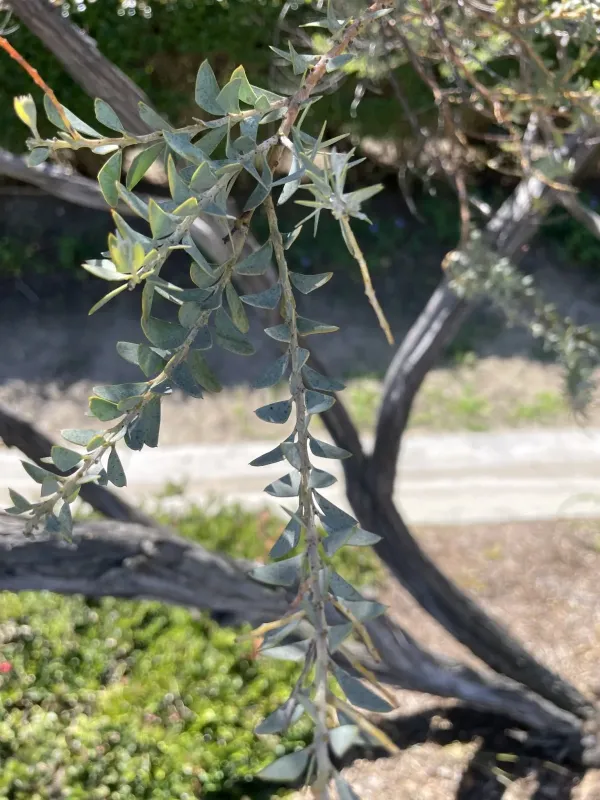
Description
Growing requirements
Acacia cultriformis, commonly known as the knife-leaf wattle, is a prominent member of the Fabaceae family native to eastern Australia. It is a hardy evergreen shrub valued for its unique triangular phyllodes and profuse yellow flowering habit.
The cultivation of this species requires well-drained, sandy, or rocky soil conditions. It thrives in full sun exposure, which is essential for maintaining the characteristic silvery-blue foliage and promoting dense branching.
The plant is highly drought-tolerant once established. However, during the active growing season, consistent moisture is beneficial, provided that the soil structure ensures quick drainage to prevent waterlogging.
Maintenance techniques include structural pruning, which should be performed annually after the flowering period concludes. This process helps maintain the shrub's shape and prevents it from becoming woody and sparse in the center.
For ornamental purposes, it is widely used in xeriscaping or Mediterranean-style gardens. It serves as an excellent feature plant or a screening element in climates that do not experience harsh, long-lasting frosts.
Main diseases and pests
The knife-leaf wattle is generally robust but can be susceptible to root rot if grown in heavy, waterlogged soils. Ensuring an optimal drainage system is the primary defense against soil-borne pathogens.
Common pests affecting this species include scale insects and mealybugs. These pests are particularly problematic in greenhouse environments where airflow is insufficient or humidity levels are improper.
Iron deficiency-induced chlorosis may occur if the soil pH is too high. Maintaining a slightly acidic to neutral substrate helps ensure the plant can efficiently uptake necessary nutrients.
Leaf spot diseases can occasionally occur under high humidity conditions. Implementing good sanitation practices, such as removing fallen debris, helps reduce the inoculum load in the garden.
When chemical treatment is required, it is essential to use products specifically formulated for ornamental shrubs to avoid damaging the foliage surface of the phyllodes.