
Acacia crassicarpa
Acacia crassicarpa
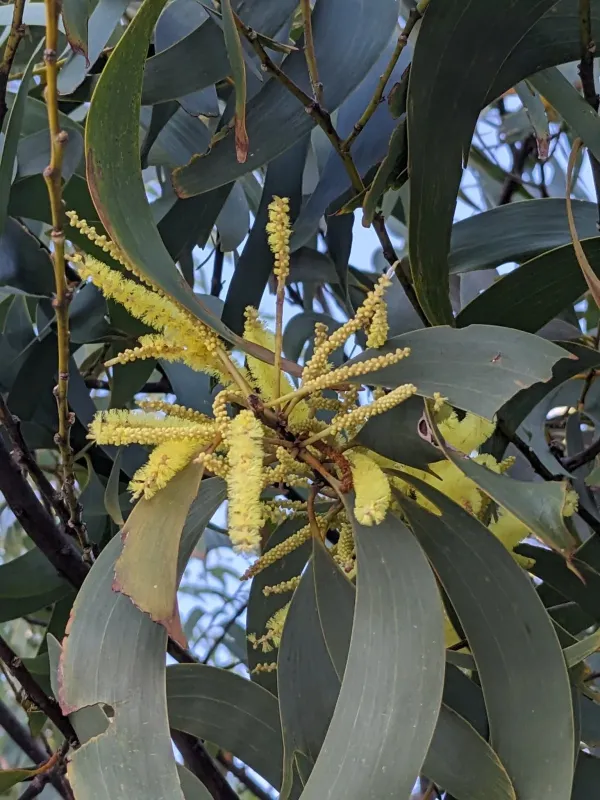
Description
Sowing dates
The sowing of Acacia crassicarpa seeds is typically conducted in nurseries to produce healthy seedlings. Seeds require pre-treatment, such as scarification or short immersion in hot water, to break dormancy and ensure high germination rates.
The optimal time for planting is the onset of the rainy season, which provides the young saplings with sufficient moisture to establish their root systems effectively. Container-based nursery methods are highly recommended to prevent transplant shock.
In large-scale industrial plantations, direct seeding into prepared pits is sometimes practiced, maintaining a spacing of 2 to 3 meters between plants. This density is necessary to optimize light access and minimize competition during the early growth phase.
Growth intensity in the first year depends heavily on weed control within the planting rows. Frequent clearing of the area around each sapling is essential until the canopy closes, which naturally suppresses competitive vegetation.
While vegetative propagation through cuttings is technically possible, seed-based propagation remains the standard approach for establishing plantations due to the species' adaptability and genetic vigor.
Growing requirements
Acacia crassicarpa belongs to the Fabaceae family and is an evergreen, fast-growing tree species native to tropical Australia, Papua New Guinea, and Indonesia. It is highly valued for its ability to thrive in poor, nutrient-deficient tropical soils.
The species demonstrates remarkable resilience to various soil types, including acidic and sandy substrates. It is particularly noted for its tolerance to waterlogged conditions, making it suitable for lowland regions where other timber species would fail.
Optimal growth occurs in warm, humid tropical climates with well-distributed rainfall. While the species shows tolerance to short dry spells, maximum biomass production is achieved under high humidity levels with abundant water availability.
Acacia crassicarpa benefits from a symbiotic relationship with nitrogen-fixing bacteria, which enhances soil fertility. This characteristic makes it an excellent candidate for degraded land rehabilitation projects and soil quality improvement programs.
Light availability is a crucial development factor as the species is intolerant to deep shade. Proper spacing ensures that the canopy develops uniformly, leading to the formation of straight, high-quality timber trunks.
Yield
The productivity of Acacia crassicarpa is defined by its rapid wood biomass accumulation, which ranks among the highest for tropical tree species. Under optimal management, annual yields can reach 15 to 25 cubic meters per hectare.
The primary commercial application is the production of pulpwood for the paper industry. The wood is characterized by its uniform fiber structure and favorable pulping properties, making it a staple resource for paper manufacturers.
Beyond timber, the plantations serve as a consistent source of biomass for renewable energy generation. Waste wood and residues from harvesting are frequently processed into wood chips or charcoal for industrial energy needs.
The standard commercial rotation cycle ranges from 7 to 10 years, offering a rapid return on investment. Modern silvicultural practices, including site preparation and genetic selection, can increase marketable wood yield by over 25%.
In agroforestry systems, the species is utilized to create protective windbreaks and shelterbelts. This practice contributes to stabilizing the local microclimate and protecting other agricultural crops from wind-induced soil erosion.
Main diseases and pests
The main pests affecting the species include various defoliating insects that can reduce growth vigor if infestations become severe. Integrated pest management strategies are necessary to prevent outbreaks in large plantation monocultures.
Fungal pathogens, particularly root rot, may occur in areas with poor drainage and excessive standing water. Selecting appropriate sites with adequate soil drainage is the most effective preventative measure against these diseases.
Young plantations are vulnerable to browsing by herbivores and damage by rodents. Installing protective fencing and implementing biological control measures during the first years are critical for ensuring plantation survival.
Wildfires pose the most significant risk to plantation integrity, particularly during the dry season. Maintaining firebreaks and keeping the understory clear of dry combustible debris is vital for wildfire prevention.
Sustainable plantation management emphasizes the use of disease-resistant germplasm. This approach minimizes the need for chemical intervention, ensuring that the environmental benefits of the plantation are preserved.