
Blue bush wattle
Acacia covenyi
Description
Growing requirements
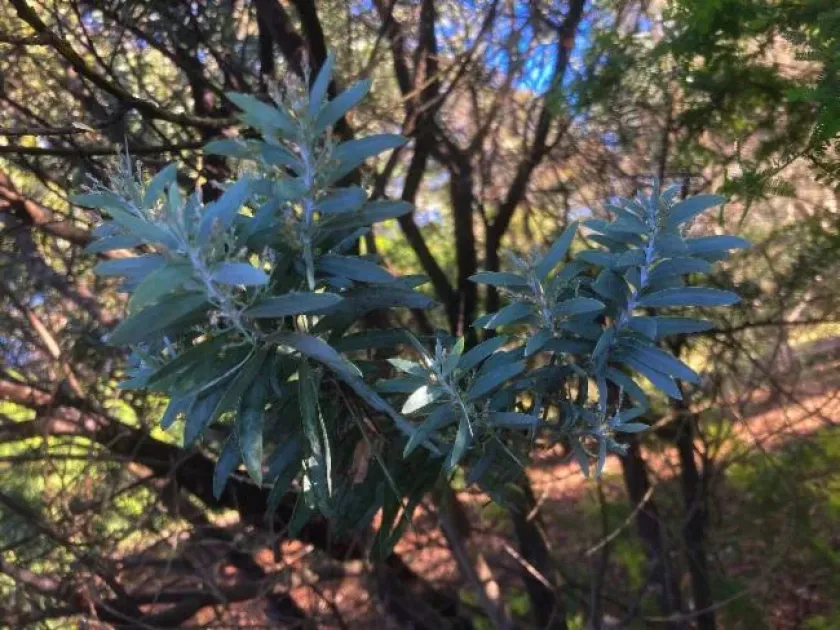
Acacia covenyi, known commonly as the Blue bush wattle, is a distinguished member of the Fabaceae family. Native to the rugged landscapes of New South Wales, Australia, this evergreen species is prized for its striking glaucous, silvery-blue phyllodes that retain their beauty year-round.
The plant typically grows as a small tree or large shrub, reaching heights of several meters. Its aesthetic appeal is further enhanced by its fine, feathery texture and the profusion of bright yellow flower spikes that emerge during the blooming season, creating a vivid contrast with the foliage.
To thrive, this species requires a location with full sun exposure and well-drained soil. It is perfectly adapted to dry conditions and is highly drought-tolerant once established. It performs poorly in heavy, clay-rich soils that retain excess moisture, which can lead to root degradation.
Climatic requirements for Acacia covenyi are centered on a warm, temperate environment. While it is hardy and can withstand brief cold spells, it is not suited for severe, prolonged frost. In colder climates, it is best grown in containers that can be moved indoors during winter.
In terms of usage, the Blue bush wattle is an excellent choice for xeriscaping and sustainable garden designs. Its ability to thrive with minimal water makes it an ideal candidate for low-maintenance landscapes where both form and function are desired.
Main diseases and pests
The most significant threat to the health of Acacia covenyi is root rot caused by poor soil drainage. Overwatering is the primary cause of this condition, as it creates an anaerobic environment where fungal pathogens proliferate easily.
Insect pests such as spider mites can infest the foliage, particularly in hot and dry climates. These pests cause discoloration of the phyllodes and, if left unchecked, can significantly stress the tree, making it susceptible to further complications.
Mealybugs are another potential nuisance that can colonize the stems and foliage. These insects produce honeydew, which attracts secondary issues like sooty mold, damaging the aesthetic and physiological state of the plant.
Pruning is essential for preventing the spread of diseases. By removing dead or crossing branches, gardeners can improve airflow throughout the canopy, which effectively reduces the humidity levels that favor fungal growth.
Effective management strategies should focus on preventative care rather than curative treatments. Monitoring for signs of infestation and ensuring the soil remains light and well-aerated will keep the tree robust and healthy for many years.