
Acacia confusa
Acacia confusa
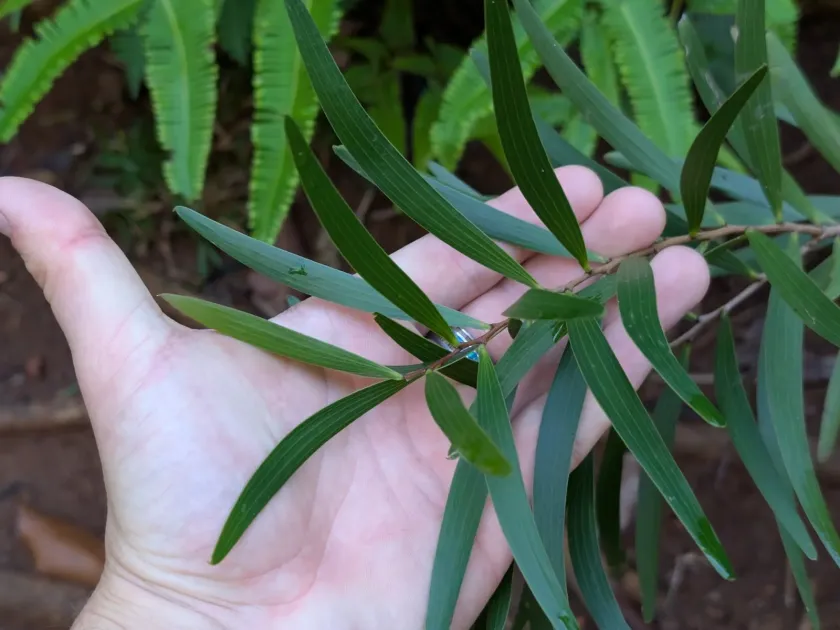
Description
Sowing dates
Propagation of Acacia confusa is primarily performed through seeds. The seeds possess a hard coat that requires mechanical or chemical scarification to facilitate germination.
Sowing should take place in warm, well-prepared soil after the risk of frost has completely passed. Consistent temperatures around +20...+25 degrees Celsius are ideal.
In nursery environments, seeds are sown in pots with high-drainage media to allow for optimal root development during the initial growth stage.
When transplanting to the field, adequate spacing is essential to ensure proper air circulation and sunlight exposure for the developing canopy.
Young plants require supplemental irrigation until they are well-established, after which the species proves to be highly drought-tolerant and hardy.
Growing requirements
Acacia confusa thrives in sunny environments with well-draining soils. It is known for its ability to survive in nutrient-poor and rocky soil conditions.
Being a member of the Fabaceae family, it has the biological capability to fix atmospheric nitrogen, contributing to soil fertility improvement.
This species is well-adapted to tropical and subtropical climates, displaying good resilience to environmental stressors like wind and moderate cold.
It acts as an effective windbreak, making it a popular choice for protection of agricultural land in regions exposed to constant strong winds.
While tolerant of various soil types, the plant achieves its maximum growth rate when planted in soils with a neutral to slightly acidic pH.
Yield
The primary economic value of Acacia confusa lies in its extremely dense, hard, and durable wood, which is highly sought after for premium woodwork.
Under managed plantation conditions, the trees can be ready for harvesting or thinning within a period of 10 to 15 years.
Beyond its wood production, the species is frequently utilized for urban landscaping due to its evergreen foliage and attractive yellow inflorescences.
The roots and bark contain significant concentrations of tannins, which have historically served the leather tanning industry for many years.
The wood biomass is also efficiently converted into high-grade charcoal, which is recognized for its clean and long-lasting burning properties.
Main diseases and pests
The most significant threat to the tree is root rot, which typically occurs in low-lying areas where water accumulates due to poor soil drainage.
Various defoliating insects pose a threat to plantations, often spreading rapidly if the trees are planted in high-density monocultures.
Aphids can be particularly problematic during the early developmental phases, stunting growth by feeding on the sap of young, succulent shoots.
Fungal pathogens may enter the woody tissue through physical wounds on the trunk; therefore, careful pruning and handling are necessary.
Effective management includes regular monitoring for pests and the prompt removal of any diseased or damaged branches to maintain stand health.