
Acacia concurrens
Acacia concurrens
Description
Growing requirements
Acacia concurrens, a member of the Fabaceae family, is a distinctive shrub or small tree native to eastern Australia. Its natural habitat spans across coastal and sub-coastal regions, where it successfully integrates into sclerophyll forest ecosystems, demonstrating remarkable resilience to local environmental stresses.
This culture is highly adaptable to various soil types, preferring well-drained sandy or loamy textures. It shows a significant ability to thrive in nutrient-poor soils, a trait common to many species in the genus, and requires full sun exposure to ensure robust growth and prolific flowering cycles during the spring season.
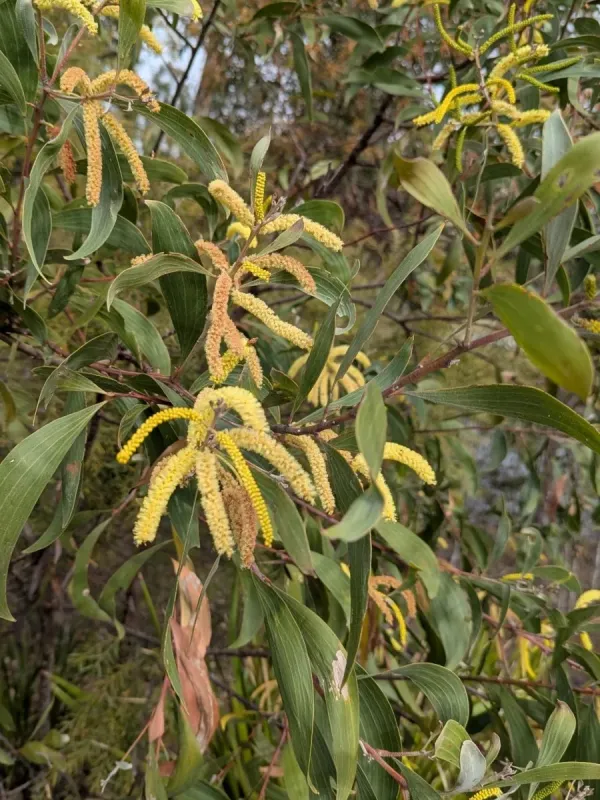
Botanically, the species is recognized by its phyllodes, which are flattened leaf-like petioles serving the function of traditional leaves. These structures are adapted to reduce transpiration, allowing the plant to survive in semi-arid conditions where water availability is periodic rather than constant.
In terms of agrotechnology, planting should be performed in areas that ensure good air circulation and water drainage. While the species is drought-tolerant once established, providing supplementary irrigation during the initial establishment phase significantly improves the survival rate and accelerates the development of the root system.
The economic value of this tree is diverse, ranging from erosion control to soil enrichment. As a nitrogen-fixing plant, it improves soil fertility by symbiotic association with soil bacteria, making it an excellent candidate for ecological restoration projects and sustainable agroforestry systems where soil health is a priority.
Main diseases and pests
Common biological threats include various wood-boring insects and foliage-feeding pests that may colonize the trees, especially when the plants are grown outside their native ecological range. Fungal pathogens, particularly those affecting the root system, are primarily triggered by poor drainage conditions, emphasizing the need for selecting appropriate planting sites.