
Acacia aulacocarpa
Acacia aulacocarpa
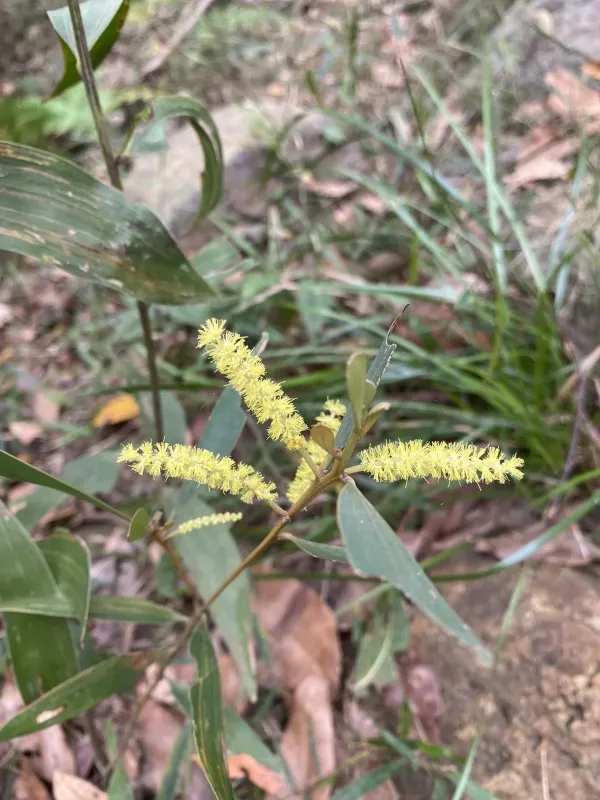
Description
Sowing dates
Sowing of Acacia aulacocarpa seeds is typically performed in nurseries at the onset of the rainy season to ensure optimal soil moisture for germination. Seeds require scarification or soaking in hot water to soften the seed coat and improve emergence rates.
Seedlings are transplanted to their permanent field locations when they reach a height of 30–40 cm. At this stage, the root system is sufficiently developed to support the plant’s establishment in varied environmental conditions.
Planting density generally ranges from 2x2 to 3x3 meters, depending on the specific objective of the plantation, such as timber production or windbreak establishment. Proper spacing is essential to reduce competition for light and nutrients among growing trees.
Acacia aulacocarpa is noted for its rapid growth rate, allowing for the quick establishment of plantations. During the initial months following transplantation, irrigation is necessary to ensure the plants become firmly rooted in the soil.
Weed management around the base of the saplings is crucial during the first year of growth. Regular clearing of competing vegetation prevents stunted growth and ensures the tree allocates energy to vertical development.
Growing requirements
Acacia aulacocarpa is a member of the Fabaceae family, recognized as a fast-growing, evergreen tree. Its native distribution spans tropical regions of Australia, Papua New Guinea, and Indonesia, where it thrives in warm, humid conditions.
The species prefers well-drained soils, including sandy and loamy types, and can adapt to poor soil fertility due to its ability to fix atmospheric nitrogen. It flourishes in temperatures ranging from +20 to +30 degrees Celsius.
High light intensity is a key requirement for healthy growth, so plantations should be located in full-sun areas. The tree possesses good wind resistance, making it an excellent choice for wind-sensitive agricultural landscapes.
As a nitrogen-fixing legume, Acacia aulacocarpa helps improve soil quality in its vicinity. This trait makes it highly valued in agroforestry systems where it can serve as a green manure source for companion crops.
It is not frost-tolerant and requires an annual rainfall of over 1000 mm for optimal development. Exposure to extreme cold or prolonged drought can significantly inhibit its growth and overall health.
Yield
The primary economic value of this culture lies in its timber, which is dense, strong, and highly resistant to decay. A typical harvest cycle for industrial timber plantations spans from 15 to 20 years.
The wood is highly sought after for furniture making, flooring, and fine carpentry due to its beautiful grain pattern and superior polishability. It is also used extensively in the production of high-quality handicrafts.
Apart from sawn timber, the plantations provide biomass for the pulp and paper industry. The wood’s high density makes it an exceptional source for producing premium-grade charcoal for both industrial and domestic use.
The species can also be utilized for energy production, as its timber provides high calorific output when used as fuel. This makes it a viable option for biomass energy projects in tropical regions.
Overall, Acacia aulacocarpa is a high-yield species capable of producing significant biomass per hectare, provided that basic site selection and maintenance requirements are met throughout the growth period.
Main diseases and pests
The most significant threats to plantation health include stem borers and termite infestations, which can compromise the structural integrity of the wood. Consistent monitoring is recommended to mitigate the impact of these pests.
Root rot is a common challenge, particularly on sites with poor drainage or waterlogging. Ensuring proper soil aeration during site preparation is the most effective preventative measure against these diseases.
Defoliating insects can occasionally cause damage to young plantations, leading to reduced growth rates. In such cases, the implementation of integrated pest management practices is advisable to keep populations under control.
Fungal infections of the leaves can occur, especially in high-humidity climates with poor air circulation. Proper thinning of the plantation and maintaining adequate space between trees help reduce these risks.
- Termite attacks
- Root rot diseases
- Defoliating insects
- Fungal leaf spots
Harvesting
Timber harvesting is achieved by felling mature trees at the end of the growth cycle. Precision planning ensures that trees are harvested at their peak diameter to maximize the volume of merchantable timber.
After felling, the site is cleared of logging residues. These residues can be chipped for mulch or biomass fuel, assisting in the recycling of nutrients back into the soil system.
Transportation of timber to processing facilities requires specialized machinery to minimize soil compaction and damage to the remaining plantation area. Logistics management is vital for controlling harvest costs.
Following harvest, sites may be reforested with new saplings to maintain sustainable yield cycles. Crop rotation or a rest period between planting cycles helps prevent the buildup of soil-borne pathogens.
Modern forestry equipment has revolutionized the harvesting process, allowing for efficient log sorting and reduced waste. This technology ensures that every portion of the timber is utilized according to its quality grade.