
Description
How to tell it apart
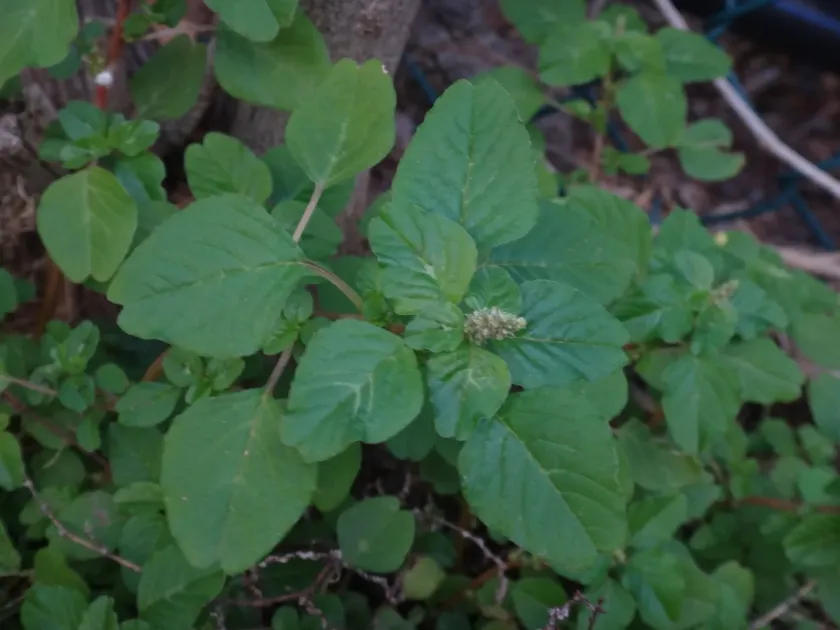
Prostrate amaranth (Amaranthus blitum) is an annual herbaceous plant belonging to the Amaranthaceae family. It typically features a prostrate or ascending stem that often displays a reddish or purplish hue.
The leaves are characterized by an ovate or rhombic shape, typically with a notched tip. Their color ranges from deep green to a bluish-green, and they are generally smooth, distinguishing them from more pubescent species within the Amaranthus genus.
The flowers are tiny and arranged in dense, compact clusters located in leaf axils or at the tips of the branches. The plant is highly branched, allowing it to occupy significant surface area near the ground.
Its taproot system is well-developed, enabling the plant to penetrate deep into the soil. This trait provides excellent resilience against water stress and allows the weed to compete aggressively for soil moisture.
The seeds are small, shiny, and dark brown or black in color. A single plant can produce an enormous quantity of seeds, which remain viable in the soil for multiple seasons, facilitating long-term infestation.
Where it grows
This weed prefers fertile, nitrogen-rich, and moist soils. It is frequently found in gardens, disturbed areas, along roadsides, and in proximity to residential or agricultural buildings.
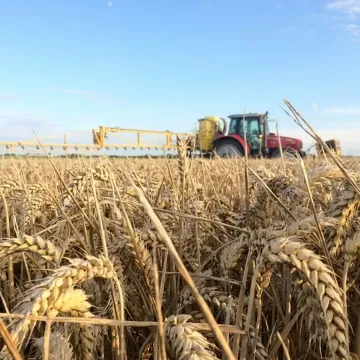
Prostrate amaranth thrives in row crops, particularly damaging vegetables, potatoes, maize, sugar beets, and sunflowers, where it benefits from the tillage and irrigation provided to the main crop.
As a warm-season plant, it germinates best when soil temperatures rise in late spring and early summer. It is particularly common in areas with frequent irrigation or high annual rainfall.
Dispersal is primarily facilitated by water runoff and agricultural machinery that carries infested soil from one part of the farm to another, aiding in the rapid spread across large fields.
The plant is highly adaptive and can colonize various soil types, though it reaches its highest levels of growth and seed production on well-tilled, nutrient-dense agricultural land.
Harm it causes
The primary damage caused by prostrate amaranth is its aggressive competition for essential soil resources, such as nitrogen and moisture, which stunts the growth of adjacent crop seedlings.
Due to its rapid growth and spreading habit, the weed creates dense shade, blocking sunlight from reaching lower crop leaves and thereby reducing the overall photosynthetic capacity of the plants.
In addition to resource depletion, the weed acts as a host for various pathogens and pests, including nematodes and aphids, which can transfer to crops, leading to secondary infestations.
The physical presence of the weed increases the cost and difficulty of harvesting operations. It often leads to the contamination of harvested grains or produce with foreign plant matter.
Large infestations can lead to significant yield losses in commercial farming, as the crop is forced to divert energy into survival rather than the development of fruits, grains, or tubers.
How to control
Effective management begins with mechanical control, such as inter-row cultivation, which helps eliminate young seedlings before they develop deep, competitive root systems.
Cultural practices, including the use of competitive crop varieties and optimized planting densities, help shade out the weed and limit its ability to capture enough sunlight to thrive.
Chemical control is often necessary and involves the application of selective herbicides. These should be applied at the early growth stages, typically before the weed reaches the 4-leaf stage.
- Pre-emergence soil-applied herbicides to inhibit germination.
- Post-emergence applications timed during the weed's susceptible seedling stage.
- Rigorous sanitation of field margins and equipment to prevent the introduction of new seed banks.
Integrative weed management, combining crop rotation and precise herbicide application, remains the most successful strategy for keeping prostrate amaranth populations below economic thresholds.
Content graph
Connections · Prostrate amaranth
Most often together:
Marketplace
Products · 2
Maro
Superus Co., Ltd., Китай, Yangzhou Pioneer Chemical Co., Ltd., Китай
Herbicides
0
0
·
1.6K
No offers
—
Details
Biology
Taxonomy
- Latin name
- Amaranthus blitum
- Family
- Амарантовые
- EPPO code
- AMALI