
Modern Agricultural Machinery: Innovations, Efficiency, and Prospects
Modern agricultural machinery (AG machinery) plays a key role in ensuring efficiency and productivity in agriculture. Over the past decade, technological progress has transformed the agricultural sector's face, enabling farmers to achieve high results with fewer time and resource inputs.
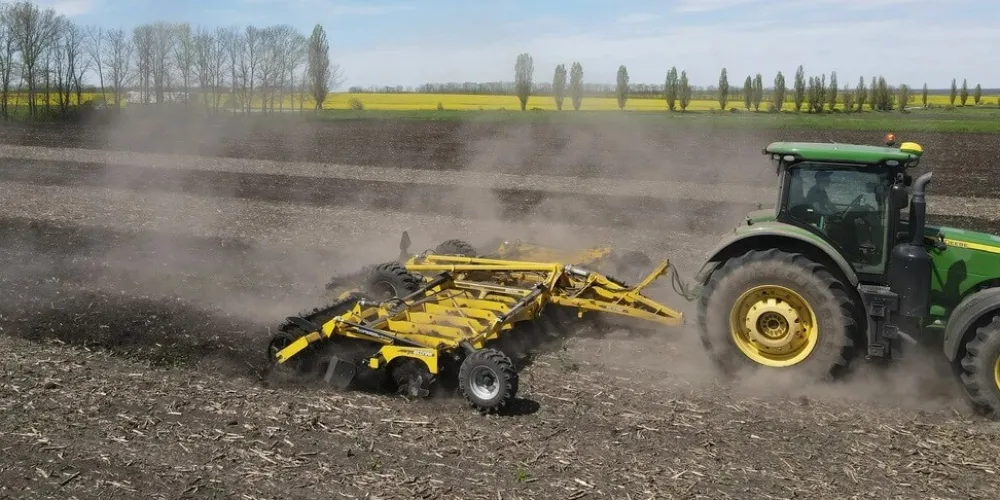
Modern agricultural machinery (AG machinery) plays a key role in ensuring efficiency and productivity in agriculture. Over the past decade, technological progress has transformed the agricultural sector's face, enabling farmers to achieve high results with fewer time and resource inputs. Let's consider the main trends and recent developments influencing the development of AG machinery.
Technological Innovations in AG Machinery
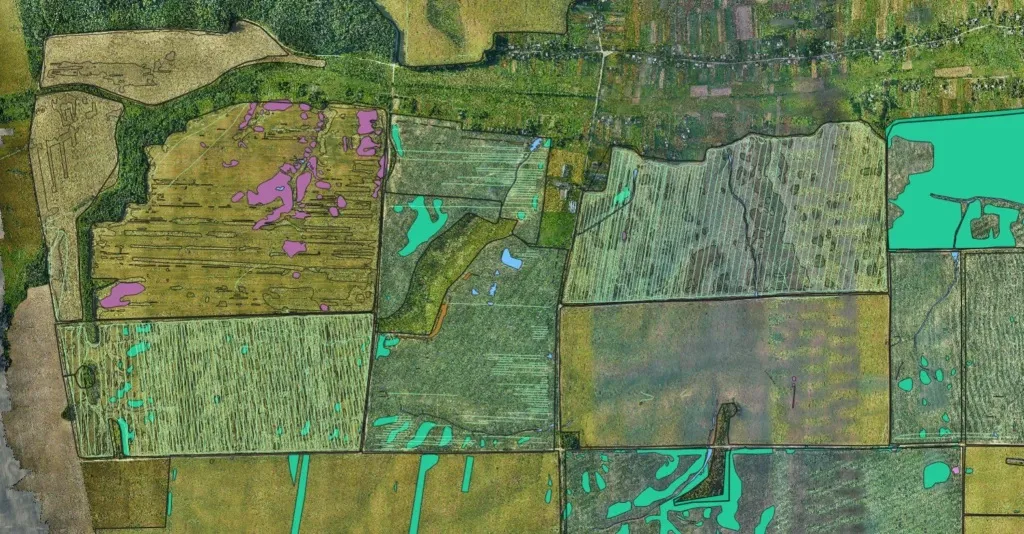
The past years have seen significant adoption of digital technologies in agriculture. AG machinery is becoming increasingly intelligent and automated. For example, tractors and combines with GPS navigation enable precision farming, minimizing resource losses and increasing yields. Drones and satellite systems are used to monitor crop conditions, determine fertilizer and water needs, and detect plant diseases at early stages.
Robotization and Automation
Farm robots are no longer science fiction. Modern AG machinery includes automated harvesting systems that can operate around the clock without fatigue. These systems can harvest fruits and vegetables with high precision, reducing damage to produce and improving quality. Autonomous tractors and sprayers controlled by artificial intelligence perform soil cultivation and crop protection tasks without human involvement.
Environmental Aspects
Modern AG machinery also contributes to the environmental sustainability of agriculture. Thanks to precision farming, the amount of fertilizers and pesticides used is reduced, lowering negative impacts on the environment. The use of energy-saving technologies, such as electric and hybrid tractors, allows reducing greenhouse gas emissions and decreasing dependence on fossil fuels.
Development Prospects
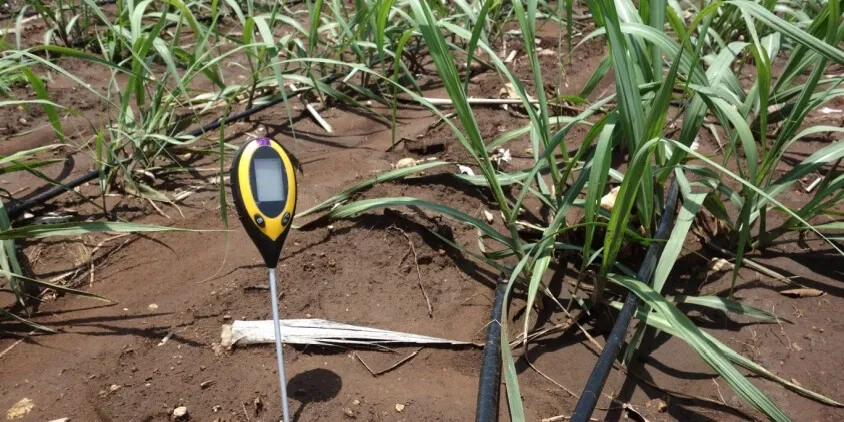
The market for AG machinery continues to actively develop, offering new solutions for farmers. The adoption of the Internet of Things (IoT) in agriculture allows creating smart farms, where all processes are interconnected and automated. "Smart" sensors monitor soil moisture, air temperature, and other indicators, enabling optimization of irrigation and other agronomic practices.
In addition, the development of biotechnology contributes to creating new crop varieties resistant to pests and diseases, reducing the need for chemical protection. The use of big data and analytics enables farmers to make informed decisions, enhancing operational efficiency.
Conclusion
Modern agricultural machinery opens up countless opportunities for farmers to enhance the productivity and resilience of their businesses. Innovations in the field of AG machinery not only increase yields but also do so in an environmentally and economically efficient manner. In the future, technological development will continue to transform agriculture, making it even more high-tech and productive.
Editorial team agronom.info
Materials are prepared by the portal's agronomists and editors. We use only trusted sources: Ukrainian agricultural universities, variety registries, open scientific publications.
Related articles

Features of selecting components for restoring the operability of agricultural machinery
Cultivator or Walk-Behind Tractor: Fundamental Differences and Technical Distinctions
Financial instruments for updating the agricultural technology fleet: choosing an optimal strategy
Not yet comments. Be the first!
Comments · 0