
Using biotechnology to extend the vase life of cut flowers
Integrating biotechnology into the growing and delivery of cut flowers not only improves their quality and extends their life, but also helps build a sustainable, environmentally clean industry.
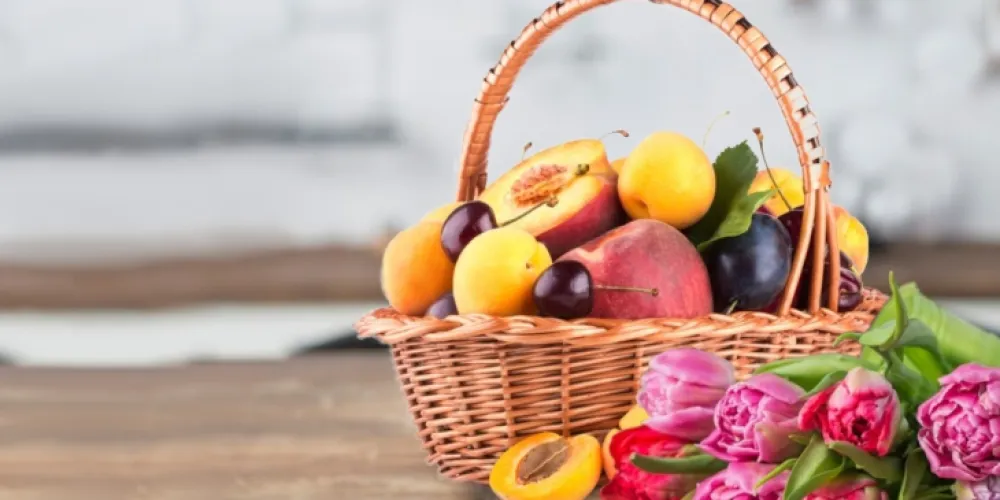
Biotechnology plays a significant role in agriculture, floriculture included. It can considerably extend the life of cut flowers — something that matters especially to companies offering affordable flower delivery in Omsk and in other regions.
The main biotechnological methods
-
Genetic engineering:
- Breeding genetically modified flowers that resist wilting.
- Introducing genes that improve nutrient uptake and increase plant viability.
-
Biological preparations:
- Treating stems with special solutions that slow the growth of bacteria and fungi.
- Adding antioxidants and other protective substances to the nutrient solution.
Hydration and feeding technologies
Correct hydration and feeding are the key factors behind the longevity of cut flowers. Biotechnological approaches include:
- Using hydrogels to provide even, continuous hydration.
- Nanotechnology to create ultra-thin coatings that help retain moisture inside the stem.
Research and development
Biotechnological research in floriculture does not stand still. New approaches under development include:
- Cloning plants to obtain ideal longevity characteristics.
- Marker analysis to select the specimens of cut flowers with the greatest potential vase life.
These technologies improve not only product quality but also make delivery more economical and more environmentally sound. As a result, customers receive beautiful, fresh bouquets that last, which makes biotechnology an indispensable tool in modern floriculture.
The outlook for biotechnology in floriculture
Modern biotechnology opens up new ways to improve quality and extend the life of cut flowers. One important prospect is the development of stress-tolerant plants able to withstand long transport and changing environmental conditions without losing their appearance or freshness.
Biotechnology and the environment
Biotechnological methods also help reduce the environmental impact of floriculture:
- Less use of chemicals. Biological preparations and genetic modification make it possible to cut the amount of pesticide and fertiliser applied.
- Less waste. Longer-lasting flowers mean fewer rejects and less waste, which benefits the environment.
The role of biotechnology in marketing and sales
Biotechnology also plays a key part in marketing flowers:
- Greater appeal of the product. Longer-lasting, better-looking flowers attract more buyers and so increase sales.
- Wider geographical reach. Improved flower properties allow them to be sold not only locally but internationally.
Integrating biotechnology into the growing and delivery of cut flowers not only improves their quality and extends their life, but also helps build a sustainable, environmentally clean industry. Thanks to this, customers gain access to fresh, attractive floral arrangements that keep their beauty for a long time, and companies strengthen their position in the flower market.
Editorial team agronom.info
Materials are prepared by the portal's agronomists and editors. We use only trusted sources: Ukrainian agricultural universities, variety registries, open scientific publications.
Related articles
Not yet comments. Be the first!
Comments