

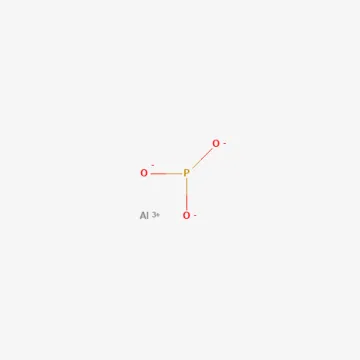
Description
Mode of action
Aluminum phosphite belongs to the chemical class of phosphonate salts. It acts primarily by directly inhibiting the metabolic processes of fungal pathogens and by stimulating the systemic acquired resistance (SAR) of plants.
Upon application, the substance is absorbed into the plant tissue and exhibits systemic mobility. It moves through both xylem and phloem, which ensures protection of both foliage and developing shoots throughout the plant.
The primary mode of action involves the direct interference with the respiratory chain and energy metabolism of oomycete pathogens. This prevents the germination of zoospores and limits the growth of mycelium.
Beyond direct fungicidal activity, aluminum phosphite triggers the plant's defense mechanisms, including the synthesis of phytoalexins. These compounds create a hostile environment for the pathogen within the plant cells.
Its persistence in plant tissues provides a long-lasting protective barrier, making it a reliable solution for managing diseases in various agricultural and horticultural settings.
What it targets
This active ingredient is specifically effective against pathogens in the class Oomycetes. It is highly valued for its ability to control water molds that thrive in moist soil and humid weather conditions.
It is mainly used to combat diseases such as:
- Late blight in potatoes and tomatoes;
- Downy mildew in onions, cucumbers, and grapes;
- Phytophthora root rots in fruit trees;
- Various damping-off diseases in nurseries.
The product provides both prophylactic and curative properties, effectively reducing the inoculum load on the field. It is particularly useful in regions with high precipitation and frequent fog.
By protecting the root system and foliage, aluminum phosphite helps maintain crop vigor during critical growth stages. It is widely applied in integrated pest management programs to ensure crop quality.
The systemic movement of the substance ensures that even parts of the plant not directly covered during spraying gain some level of protection, increasing overall disease control efficacy.
Rates and timing
Application rates for aluminum phosphite vary based on the target crop and disease severity. Typically, manufacturers recommend doses ranging from 2 to 5 liters (or kg) per hectare depending on the formulation.
The timing of application is crucial for success. Proactive treatment, before symptoms appear, is the most effective way to utilize the systemic properties of the fungicide.
Frequency of application usually ranges from every 10 to 14 days, depending on environmental conditions. High humidity often warrants more frequent monitoring and potential repeat applications.
The use of adjuvants or surfactants is highly recommended to improve the retention and uptake of the product. This is especially important for plants with waxy leaf cuticles.
Application should be avoided during extreme heat or high wind conditions to ensure optimal deposition of the active ingredient on the target surface.
Restrictions
Compatibility with other agrochemicals is a key concern. Aluminum phosphite should not be mixed with strongly alkaline products or calcium-based fertilizers, as this can cause precipitation.
Standard safety protocols must be followed during handling, including the use of protective gloves, masks, and eye protection. Proper calibration of spraying equipment is essential to prevent drift.
To avoid the risk of fungicide resistance, users should implement an alternating program, mixing aluminum phosphite with other fungicides that have different modes of action.
Strict adherence to pre-harvest intervals (PHI) is mandatory. This ensures that chemical residues in the final harvested crop remain within the established safety limits for human consumption.
Storage should be in a cool, dry, and well-ventilated location. The original packaging must be kept tightly sealed to prevent moisture contamination and degradation of the product.
Content graph
Connections · Aluminium phosphite
Most often together:
Marketplace
Products · 6

Fital v.r.k.
China Communications Import and Export Corporation
Fungicides
0
0
·
62
2 offers
12.17 €per 1 l
Buy


Rodonit
Private enterprise "Rodonit", Ukraine
Plant Growth Regulators
0
0
·
55
2 offers
6.87 €per 1 l
Buy

