

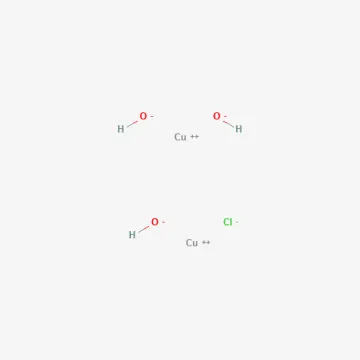
Description
Mode of action
Copper oxychloride is an inorganic contact fungicide widely used in modern agriculture to manage fungal and bacterial plant pathogens.
The substance functions by releasing copper ions that interfere with the metabolic processes of pathogens. It inhibits the enzymes necessary for spore germination and fungal respiration.
Because it is a non-systemic agent, it acts exclusively on the plant's surface. It creates a protective chemical layer that blocks pathogens from entering the plant tissue.
This mode of action is multisite, meaning it attacks multiple biological processes within the fungus, making it highly effective and preventing the rapid development of resistance.
The formulation is designed to resist washing away from the leaves by rain or irrigation, offering reliable protection over a significant period of the crop's growing cycle.
What it targets
This active substance is used to control a broad spectrum of diseases across various horticultural and agricultural crops, including vegetables, fruits, and vines.
Targeted diseases include:
- Late blight on potatoes and tomatoes
- Downy mildew on cucumbers and onions
- Grapevine downy mildew
- Apple and pear scab
- Leaf curl on stone fruits
Rates and timing
The application rate is typically determined based on the crop type, disease pressure, and the specific equipment used for spraying.
It is best applied as a preventative measure. Regular scouting of fields helps determine the optimal timing, often initiated before the onset of visible symptoms.
Spraying should be repeated every 7 to 14 days, particularly during wet, humid periods that favor fungal growth, or following heavy rainfall that might deplete the residues.
The product must be thoroughly mixed to create a uniform suspension in the spray tank. Agitation should be maintained during the entire application process.
Always adhere to the specific product label instructions regarding water volumes and concentration levels to ensure both efficacy and crop safety.
Restrictions
Copper oxychloride is categorized as hazardous to the environment, particularly to aquatic life and bees, so strict adherence to safety guidelines is mandatory.
Avoid applying the product during bloom to prevent harm to pollinators. Ensure that spray drift is minimized to avoid contamination of non-target areas or waterways.
Compatibility issues can occur if mixed with incompatible compounds. Avoid mixing with highly alkaline materials, which may cause phytotoxicity and decrease the fungicide's stability.
Strict observance of the pre-harvest interval (PHI) is essential to ensure that chemical residues on the final produce remain within acceptable safety limits.
Operators must wear appropriate personal protective equipment (PPE), including gloves, goggles, and respiratory protection, when handling and applying the chemical.
Content graph
Connections · Copper oxychloride
Most often together:
Marketplace
Products · 16


Copper Shield
Дефенда, Україна, Сімейний Сад, Україна
Fungicides
0
0
·
59
41 offer
11.6 €per 1 l
Buy


Alpha-Copper
«Юнісіті Ентерпрайсіс Л.П.», Единбург, Великобританія
Fungicides
0
0
·
44
No offers
—
Details