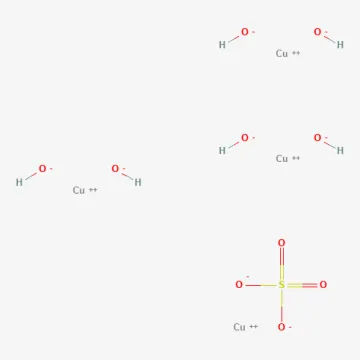
Description
Mode of action
Tribasic copper sulfate is a well-known inorganic copper compound used extensively as a contact fungicide. Compared to other copper sources like copper sulfate pentahydrate, the tribasic form offers greater chemical stability and improved safety profile for sensitive plant foliage.
The primary mechanism of action involves the release of copper ions that interfere with the metabolic processes of fungal and bacterial pathogens. These ions disrupt protein synthesis and enzyme activity, which eventually leads to the cessation of growth and death of the target organisms.
Due to its physical properties, the compound forms a protective layer on the plant surface that is resistant to environmental degradation and moderate rainfall. This persistence provides a continuous prophylactic barrier, effectively shielding the crop from spore germination.
Besides its antifungal properties, copper acts as a micronutrient that supports photosynthesis and enhances the plant's natural defense mechanisms. Proper application can therefore assist in crop health, provided the recommended doses are strictly maintained to avoid phytotoxicity.
This fungicide works most effectively when applied as a preventative measure before the onset of visual symptoms. By establishing an environment hostile to fungal spores, it prevents the establishment of infection in susceptible plant tissues.
What it targets
Tribasic copper sulfate is highly effective against a broad range of agricultural pathogens, including those causing leaf spots, blights, and mildews. It is widely employed in fruit orchards, vineyard management, and the protection of various vegetable crops.
The target list includes significant fungal diseases and critical bacterial infections that often plague horticultural crops. Its ability to combat bacterial pathogens makes it a versatile tool for complex integrated pest management (IPM) strategies.
- Late blight on potatoes and tomatoes.
- Apple and pear scab.
- Peach leaf curl.
- Grapevine downy mildew.
- Various bacterial spots and blights.
The compound is also used during dormant seasons to reduce the primary inoculum load by eliminating spores and mycelium residing in bark crevices or plant debris. This proactive approach significantly lowers the disease pressure for the coming season.
It remains a standard choice for protecting crops in open fields where protection against recurring infection cycles is necessary. Its broad-spectrum action allows for effective control in high-humidity conditions prone to rapid disease development.
Rates and timing
Application rates are dictated by the specific crop growth stage, the severity of local disease pressure, and the targeted pathogen. Operators should ensure thorough coverage of the plant surface without allowing excessive runoff or waste.
Timing is critical: applications should be performed according to phenological development. Preventive sprays are prioritized, with subsequent treatments timed to maintain the protective barrier throughout the high-risk periods of the growing season.
Management of application frequency is vital to prevent soil copper accumulation and the development of resistant pathogen strains. Growers are advised to rotate tribasic copper sulfate with fungicides featuring different modes of action.
Environmental conditions during application should be monitored; spraying during moderate temperatures is recommended to minimize any potential stress on the plants. Avoid spraying under extreme heat or high wind conditions to ensure efficacy and safety.
Preparation of the spray solution requires careful mixing to maintain a stable suspension. Proper agitation within the spray tank is necessary to prevent settling and ensure consistent delivery of the active ingredient across the entire treatment area.
Restrictions
Tribasic copper sulfate is toxic to aquatic life. Strict precautions must be taken to prevent drift, runoff, or contamination of water bodies, drainage systems, and ponds. Buffer zones must be maintained near sensitive ecosystems.
Personal protective equipment (PPE) is mandatory during handling and application. Workers must use respirators, goggles, chemical-resistant gloves, and appropriate protective clothing to avoid skin and eye contact with the concentrated product.
Do not mix the fungicide with alkaline products or other chemicals that might lead to an incompatible chemical reaction, potentially reducing its effectiveness. Always conduct a small-scale compatibility test if tank mixing is intended.
Storage should be in a secure, cool, dry, and well-ventilated location, inaccessible to unauthorized individuals, children, or livestock. The product must remain in its original, sealed packaging to prevent clumping and preserve stability.
In the event of accidental exposure, immediately flush the affected area with large amounts of clean water and seek medical attention. Always keep the product label available to provide necessary information to medical professionals in case of an emergency.
Reference
Connections · Tribasic copper sulfate
Most often together:
Marketplace