
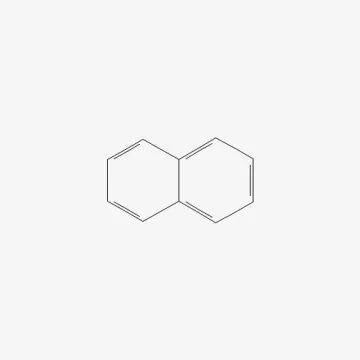
Naphthalene
Description
Mode of action
Naphthalene is the simplest polycyclic aromatic hydrocarbon, which is primarily used as a fumigant in agronomic practice. Its action is based on the substance's ability to sublimate, which is the rapid transition from a solid state to a gaseous state at room temperature.
The gaseous vapors of naphthalene penetrate the respiratory system of harmful insects, causing paralysis and subsequent death. In high concentrations, it shows marked toxicity to both adults and larvae of various pest species.
The substance acts primarily through contact and stomach action as part of the gas phase. It creates a specific atmosphere unsuitable for insect life, making it widely used to prevent damage to stored agricultural products.
In addition to its insecticidal effect, naphthalene possesses distinct repellent properties. Its sharp, specific odor repels a wide spectrum of insects, preventing them from accessing treated substrates or storage areas.
In modern agrochemistry, naphthalene is considered an auxiliary agent. Its chemical activity is limited by its volatility, so its effectiveness directly depends on the degree of airtightness of the premises where fumigation is conducted.
What it targets
The primary use of naphthalene relates to the protection of agricultural products during storage. It is effective against moths, beetles, weevils, and other stored-product pests that damage grain and grain products.
In field conditions and orchards, naphthalene is sometimes used as a repellent to deter rodents and moles. Its specific odor hinders the colonization of certain soil areas by animals, which helps protect the roots of young trees and vegetable crops.
The substance is also used to disinfect empty storage bins, elevators, and containers. This allows for the destruction of hidden pest forms that may be present in cracks and hard-to-reach places in facilities before storing a new harvest.
Naphthalene is effective against pests that damage wool, fur, and fabrics, making it relevant for protecting stored technical crops such as flax or cotton if they are susceptible to attacks by specific insects.
It is important to note that the scope of naphthalene's action is limited. It is not a universal pesticide and is practically ineffective against many types of agricultural pathogens and fungal diseases.
Rates and timing
The application rates of naphthalene are calculated based on the volume of the space being treated. Standard practice requires an even distribution of the product over the surface or in specialized evaporators to ensure the necessary gas concentration is reached.
The duration of fumigation must be strictly adhered to, as naphthalene requires time to effectively impact pests. Typically, exposure lasts from a few days to several weeks, depending on the temperature and the intensity of evaporation.
When using naphthalene as a soil repellent, caution must be exercised with dosages. An excessive amount of the substance can negatively affect soil microflora, so local application in the form of barriers is recommended.
Temperature plays a crucial role in the effectiveness of naphthalene application. At low temperatures, sublimation slows down, which requires an increase in exposure time to achieve the necessary fumigation effect.
After the fumigant's action period ends, prolonged ventilation must be provided. Products and storage facilities must be completely free of residual vapors before personnel are allowed to work in the area.
Restrictions
Naphthalene is a substance with pronounced toxicity to warm-blooded animals when inhaled in high concentrations. Handling it requires the mandatory use of personal protective equipment for the respiratory tract and skin.
It is strictly prohibited to use naphthalene for the direct treatment of food-grade grain intended for immediate consumption due to the risk of the accumulation of its specific odor and hazardous degradation products in the final product.
The substance has a high ability to accumulate in fatty tissues. This imposes serious restrictions on its use near water bodies and pastures to prevent the contamination of the feed base for agricultural animals.
The use of the product requires airtight conditions. In well-ventilated or poorly insulated storages, the gas concentration does not reach a lethal level for pests, which leads to the development of resistance in insects.
Naphthalene stocks must be stored in tightly closed containers in a cool, dry place. Access by children and pets must be completely restricted, and contact with open flames must be prevented due to the high flammability of the substance.
Status in the European Union
Not approved in the EU
- CAS number
- 91-20-3
- Category (EU)
- RE - Repellant
EU status is for reference only and does not replace national registration in your country.