
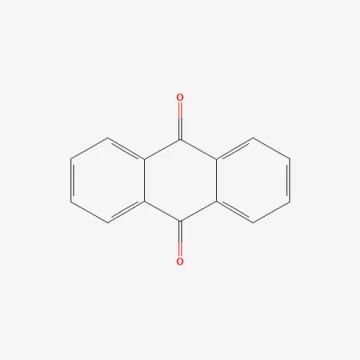
Anthraquinone
Description
Mode of action
Anthraquinone is an organic compound primarily used in agricultural practice as a highly specialized bird repellent.
The primary mode of action is based on creating an adverse taste effect when treated seeds are consumed by birds.
Upon ingestion by birds, the substance induces temporary physiological discomfort, which builds a conditioned avoidance response in the avian population.
It is important to note that anthraquinone lacks systemic insecticidal or fungicidal activity and does not kill pests, but rather prevents yield losses.
Effectiveness depends directly on the quality of coverage of the seed surface with the treatment formulation to ensure guaranteed contact with the birds' sensory organs.
What it targets
The main area of anthraquinone application is the protection of seeds from damage caused by various species of grain-eating birds.
The product is most effective during the spring sowing season when planted seeds become easily accessible food for field wildlife.
It is successfully used to protect various field crops, such as corn, sunflower, and certain types of small grains.
Using this repellent significantly reduces the risk of crop thinning, which is crucial for achieving target plant density.
Applying the substance helps preserve yield potential during the early stages of plant development, minimizing the need for reseeding.
Rates and timing
Anthraquinone application rates are strictly regulated and depend on the specific crop and local bird population density.
The product is applied exclusively through seed treatment in specialized machinery prior to planting.
Treatment is typically performed in combination with fungicidal seed treatments to provide comprehensive protection against biotic and abiotic threats.
Application timing must align with the seed preparation schedule, ensuring adequate drying before loading into seeders.
When calculating rates, producers must follow the official guidelines provided on the specific product label.
Restrictions
Working with anthraquinone requires strict personal protective measures, including the use of respirators and gloves when preparing mixtures.
It is strictly prohibited to use treated seed materials as animal feed or for food production purposes.
During seed treatment, contamination of open water bodies and groundwater must be avoided to prevent environmental risks.
Residues of the working solution must be disposed of in accordance with regulations regarding toxic waste management in the agricultural sector.
Storage of treated seeds must be carried out in labeled containers to prevent unauthorized access by humans or animals.
Status in the European Union
Not approved in the EU
- CAS number
- 84-65-1
- Category (EU)
- RE - Repellant
EU status is for reference only and does not replace national registration in your country.