

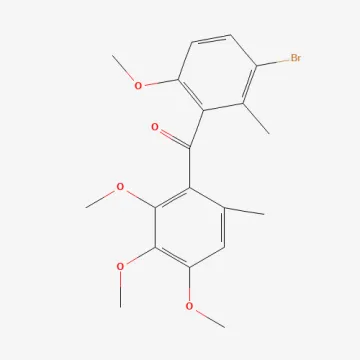
Description
Mode of action
Metrafenone belongs to the benzophenone chemical class. It is a unique active ingredient that does not possess direct toxic action on the fungal cell in the classical sense, but it exerts a powerful inhibitory effect on the development of the pathogen.
The primary mechanism of action involves blocking the processes of appressoria and haustoria formation in fungi. The substance disrupts the organization of the pathogen's actin cytoskeleton, making it impossible for the fungus to anchor on the leaf surface and subsequently penetrate the plant tissues.
The product possesses excellent translaminar activity, quickly penetrating leaf tissues and distributing within them. This provides reliable protection for both the upper and lower sides of the leaf blade, even if the application coverage was not perfectly uniform.
An important feature is its high resistance to rainfall washing. Shortly after the working solution dries on the plant surface, metrafenone fixes within the cuticular layer, maintaining its effectiveness even under unfavorable weather conditions.
The substance practically does not have cross-resistance with other groups of fungicides, such as triazoles or strobilurins. This makes it a valuable tool in anti-resistance agricultural crop protection programs.
What it targets
Metrafenone is a highly specialized fungicide designed primarily for controlling powdery mildew fungi. It demonstrates high biological efficacy against infection agents in various agricultural systems.
The main targets are representatives of the Erysiphales order. The product effectively suppresses the development of powdery mildew on a wide range of industrial crops, preventing the loss of leaf area and a decrease in yields.
In agriculture, it is used to protect the following crops:
- Winter and spring wheat, barley (against cereal powdery mildew).
- Vineyards (against oidium or grape powdery mildew).
Applying the product during the early stages of disease development allows for the complete halting of mycelium spread. It is also effective as a preventative measure, stopping primary infection of the crops by fungal spores.
Due to its specificity, metrafenone does not have a detrimental effect on beneficial entomofauna, allowing it to be integrated into biological-based plant protection systems.
Rates and timing
The timing of the product application depends on the biological cycle of the pathogen development and the phenological stage of the crop. The optimal time is considered the period before the appearance of the first visual signs of disease or upon detection of initial pustules.
Application rates vary depending on the crop and the infection pressure in the specific field. Typically, for cereal crops, the dosage ranges from 0.3 to 0.5 liters of the product per hectare, depending on the concentration of the active ingredient in the formulation.
In vineyards, the interval between treatments should be between 10 and 14 days. It is important to spray before the clusters close to ensure complete coverage of the berries and leaves, where the pathogen is most often localized.
For preparing the working solution, only clean water should be used. It is recommended to strictly maintain the uniformity of the spray pattern to reach all layers of the plant, especially in dense crops.
If mixing with other pesticides is necessary, it is essential to conduct a physical and chemical compatibility test of the products. It is not recommended to exceed the number of treatments specified in the specific manufacturer's regulation.
Restrictions
Metrafenone is characterized by a relatively low level of toxicity for warm-blooded animals, but it requires adherence to standard safety measures when handling agrochemicals. The use of personal protective equipment is mandatory.
Ecological safety restrictions include a prohibition against the product entering open water bodies and drinking water sources. It is necessary to observe a safety zone for beehives, as, despite its safety for insects, the risk of spray drift remains a critical factor.
When working in high-temperature conditions, it is recommended to spray in the early morning or evening hours. This reduces the risk of premature evaporation of the working solution droplets and increases the overall absorption of the active ingredient by the plant.
It is not recommended to apply the product when wind speeds exceed 5 meters per second to avoid drifting onto neighboring crops or adjacent areas. Application should also be avoided before rain if less than an hour remains until forecasted precipitation.
Storage of the product should be in dry, dark, and ventilated warehouses at temperatures between -5 and +35 degrees Celsius. Disposal of empty containers must be carried out in accordance with legislation on hazardous waste management.
Regulatory
Status in the European Union
Approved in the EU
- CAS number
- 220899-03-6
- Approved from
- 01.11.2024
- Approval until
- 31.10.2039
- ADI
- 0.25 mg/kg bw/day
- ARfD
- Not appl.
- AOEL
- 0.43 mg/kg bw/day
EU legislation
EU status is for reference only and does not replace national registration in your country.
Content graph
Connections · Metrafenone
Most often together:
Marketplace
Products · 6


