

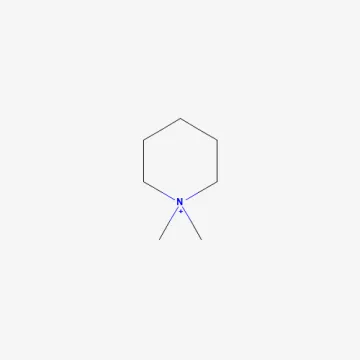
Description
Mode of action
Mepiquat chloride is a quaternary ammonium compound widely recognized as an effective plant growth regulator (PGR) or growth retardant. It functions primarily by inhibiting the biosynthesis of gibberellins, which are the plant hormones responsible for cell elongation.
By restricting gibberellin production, the chemical causes a reduction in internode length, resulting in a more compact and sturdy plant structure. This shift in morphology allows the crop to redirect its metabolic energy from excessive vegetative growth to generative development.
The application of this substance improves canopy architecture, allowing for better light penetration to the lower branches of the plant. This increased light exposure is crucial for reducing flower and boll shedding, ultimately enhancing yield potential.
Mepiquat chloride promotes a more robust root system, which increases the plant's resilience against drought and other environmental stressors. The leaves typically develop a deeper green color due to increased chlorophyll concentration, which can enhance photosynthetic efficiency.
As a systemic regulator, it is absorbed through the foliage and translocated throughout the plant. Its physiological effects are highly dependent on the timing of the application, ensuring that the plant's growth is modulated during its most critical developmental phases.
What it targets
The primary crop treated with mepiquat chloride is cotton. This regulator is essential in preventing excessive vegetative growth, often referred to as "rank growth," which frequently occurs in high-fertility soils or under irrigation.
It is extensively used to prevent lodging, which is the bending or breaking of stems that causes crops to fall over. By maintaining vertical structure, the risk of damage is significantly reduced, ensuring a healthier and more uniform crop stand.
Mechanical harvesting efficiency is greatly enhanced by the use of this PGR. Compact plants are easier to process through harvesting machinery, which reduces the percentage of crop loss and increases the overall speed of the gathering process.
The regulator also helps in synchronizing boll maturity, which is vital in regions with limited growing seasons. Achieving a uniform maturation window allows for a more efficient harvest and higher quality fiber production.
Rates and timing
Application rates for mepiquat chloride are determined by the cotton variety, the density of the planting, and the prevailing climatic conditions. Growers typically target applications during the early bloom or budding stages.
It is recommended to monitor the rate of growth and apply the substance only when necessary. Careful calibration of the spray equipment is required to ensure that the chemical is evenly distributed across the entire leaf surface area.
In cases of extremely favorable growing conditions where the crop continues to grow aggressively, split applications may be more effective. This approach offers the flexibility needed to keep the plant within the desired height range throughout the season.
Always verify the specific dosage instructions provided by the manufacturer. Applying excessive amounts can over-stunt the plants, which may inadvertently reduce the final yields by limiting the number of fruit-bearing sites.
Restrictions
It must be clearly understood that mepiquat chloride acts solely as a growth regulator and does not possess herbicidal, fungicidal, or insecticidal properties. It should not be used as a substitute for pest or disease management programs.
The application is contraindicated on plants that are under stress from water deficiency, pest infestation, or nutrient imbalances. Subjecting stressed plants to growth regulators can exacerbate their condition and result in significant crop damage.
Users must wear appropriate personal protective equipment (PPE) when handling and applying the product to minimize exposure. It is a chemical that requires strict adherence to safety protocols during mixing and spraying.
Store the product in its original, sealed container in a cool, well-ventilated area. Keep it out of reach of unauthorized personnel, children, and livestock to prevent accidental ingestion or exposure.
Adherence to pre-harvest intervals (PHI) is mandatory to ensure that the final fiber and seeds are free from chemical residues. Always consult the local regulatory labels for the most up-to-date guidance on safety and application limits.
Regulatory
Status in the European Union
Approved in the EU
- CAS number
- 15302-91-7
- Category (EU)
- PG - Plant growth regulator
- Approved from
- 01.03.2025
- Approval until
- 29.02.2040
- ADI
- 0.065 mg/kg bw/day
- ARfD
- 0.3 mg/kg bw
- AOEL
- 0.23 mg/kg bw/day
EU legislation
EU status is for reference only and does not replace national registration in your country.
Content graph
Connections · Mepiquat chloride
Most often together:
Marketplace
Products · 11


MEKVALAN 750
Нуфарм ГмбХ і Ко КГ,Австрія.
Plant Growth Regulators
0
0
·
59
2 offers
3.86 €per 1 l
Buy


