

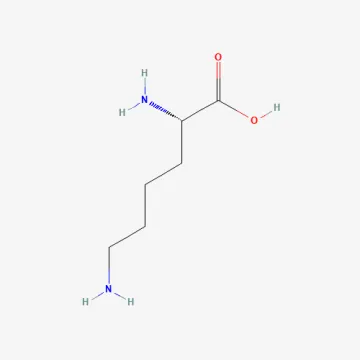
Description
Mode of action
Lysine is an essential aliphatic amino acid that acts not as a classic pesticide, but as a vital metabolite and activator of plant defense systems.
In agronomic practice, preparations based on lysine act as elicitors, triggering cascades of secondary metabolism reactions within plant cells.
The mechanism of action is based on strengthening cell walls and regulating osmotic pressure within tissues when exposed to adverse environmental factors.
Being part of complex tank mixtures, lysine facilitates more efficient absorption of active ingredients of other pesticides due to its chelating effect.
This compound modulates phytohormone production, which directly impacts the intensity of photosynthesis and biomass accumulation rates in crops.
What it targets
Lysine is used not against specific pests or weeds, but to increase the general phytosanitary resistance of crops.
The use of this amino acid helps crops resist biotic stresses caused by fungal and bacterial infections by activating an immune response.
Preparations based on it are effective in combating the consequences of phytotoxicity following the application of systemic herbicides.
Lysine application is appropriate for mitigating the negative effects of drought, frost, and excessive soil salinity on plant growth.
In seed production, this amino acid is used to increase the germination rate and vigor of seed material potentially affected by hidden pathogens.
Rates and timing
Application rates depend on the product composition and the growth stage of the crop, typically ranging from 0.2 to 1.0 liters (or kilograms) per hectare.
Optimal treatment periods occur during phases of intensive growth, budding, and early flowering, when the demand for nitrogen metabolism is at its peak.
For seed treatment, concentrated solutions are used, where lysine is combined with micronutrients for a synergistic effect.
During periods of extreme weather conditions, additional foliar feedings are recommended to rapidly restore metabolic processes.
It is important to adhere to the frequency of applications, as excessive accumulation of free amino acids in leaves may cause a temporary nutritional imbalance.
Restrictions
Lysine is a biodegradable compound, therefore it has practically no pre-harvest interval and is safe for beneficial insects and pollinators.
When mixed with copper-based fungicides or highly alkaline products, the effectiveness of lysine may decrease significantly due to chemical degradation.
Storage of products requires strict temperature control, as organic amino acids are sensitive to direct sunlight and high temperatures.
Exceeding recommended dosages is not advised to avoid attracting insect herbivores due to increased concentrations of sugars and nitrogen in the plant sap.
Compatibility with every specific pesticide in a tank mixture must be verified through a preliminary test for precipitation or changes in the pH of the working solution.
Content graph
Connections · Lysine
Most often together:
Marketplace
Products · 11


LIQUID ORGANIC-MINERAL FERTILIZER «BIOGLOVIT», (N – 0.3-2.5%, P2O5
Blessing, SFG
Fertilizers
0
0
·
29
1 offer
3.66 €per 1 kg
Buy

